

If someone were to ask me why I read history, my reply would be in three words: solace, advice, and examples for our edification. Let me explain further.
Continue readingIf someone were to ask me why I read history, my reply would be in three words: solace, advice, and examples for our edification. Let me explain further.
Continue reading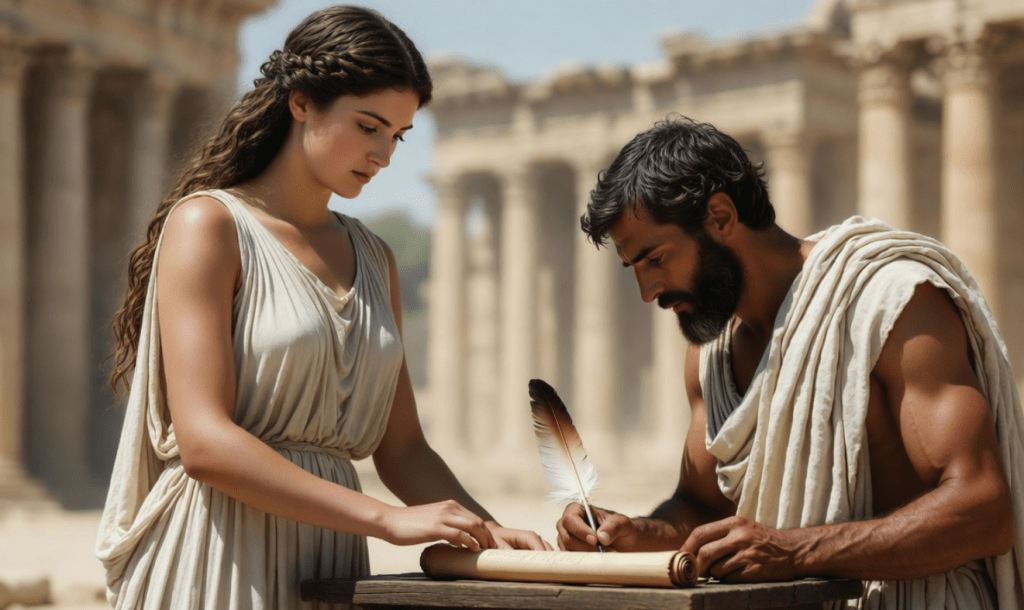
Poetry is not the “draw” it once was. In the nineteenth century, it was relatively common for poetic works to be taught in schools, to be memorized in whole or in part, and to be the subject of public readings. No longer. One would today be hard-pressed to name any modern poets who have achieved the same level of notoriety that successful writers of prose have attained. We no longer hear of poets commemorating notable events or celebrating public figures; school children are not required to memorize verses; and a general air of archaism seems to hover over the literary form. What is produced seems bereft of recognizable meter, allure, or skill in creation.
Continue reading
In the thirty-fourth canto of Dante’s Inferno, our intrepid tourists Dante and Virgil find themselves at the very bottom of Hell’s ninth circle, known as Judecca, a name derived from Judas Iscariot. With his enthusiasm for classification and categories, Dante has given us names for the different parts of the ninth circle, in which are housed particular types of traitors: Caina (for traitors to family), Antenora (for traitors to country), Ptolomaea (for betrayers of guests), and Judecca (for traitors to benefactors).
Continue reading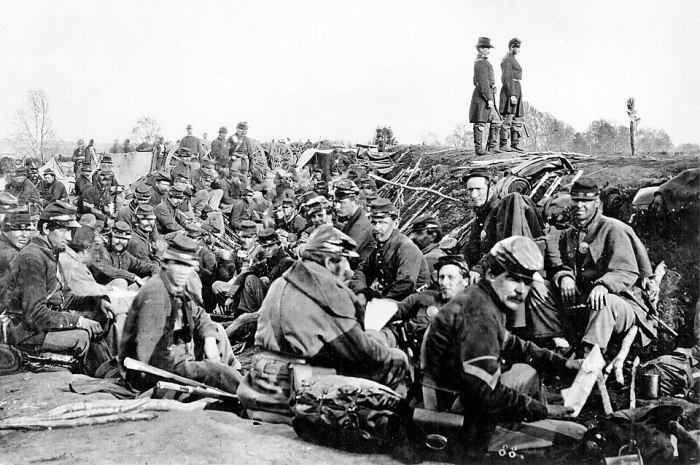
The two greatest artistic productions to come out of the American Civil War were Alexander Gardner’s Photographic Sketch-Book of the War, and Herman Melville’s poetic masterpiece, Battle-Pieces and Aspects of the War.
Continue reading Quintus Curtius
You must be logged in to post a comment.