The Icy Tragedy Of The “Mexico”

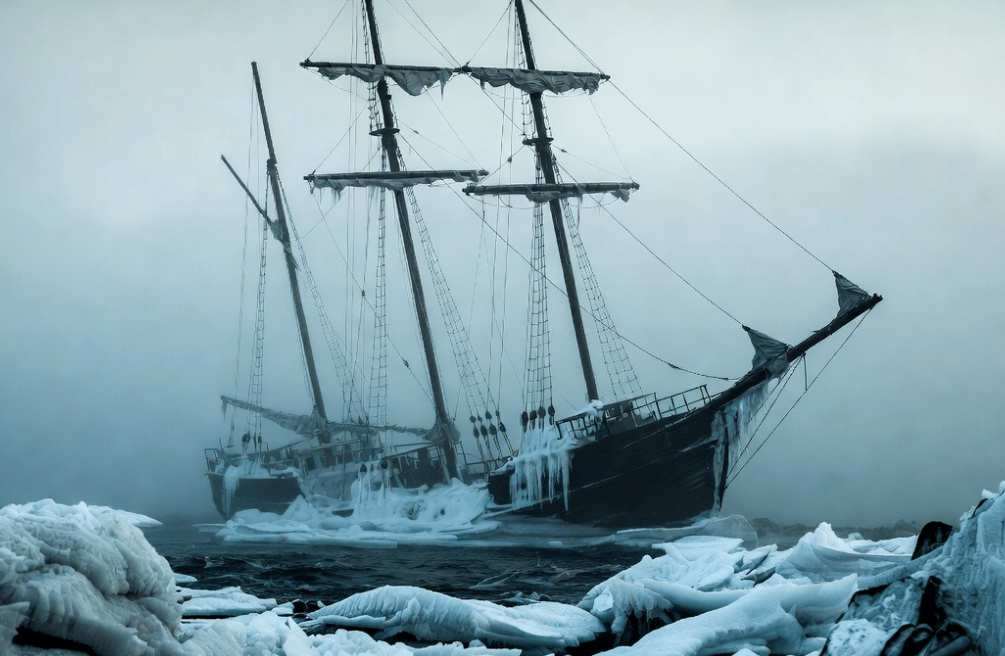
We have in these pages chronicled many shipwrecks and maritime disasters, each of which is woeful in its own way.  The wreck of the barque Mexico in 1836, however, evokes particular pity, not only from the fact that its victims—most of whom were women and children—perished from freezing, but also because the wreck occurred so tantalizingly close to shore.  Let the tale be told. 

Continue reading

The Loss Of The “Prince” And The Ordeal Of Her Survivors

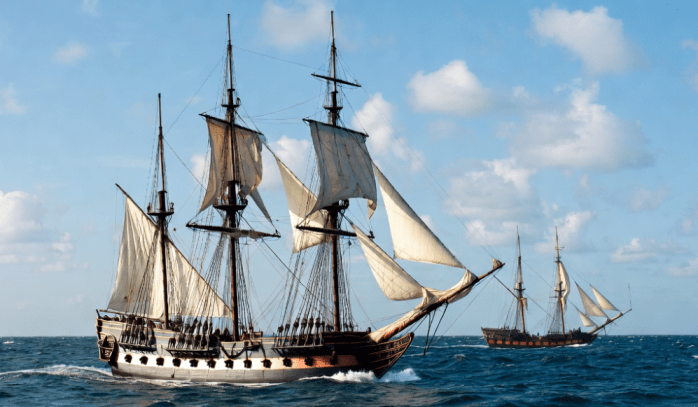
The French East Indiaman Prince left Port L’Orient in France on February 19, 1752.  She soon ran into trouble, and became temporarily grounded on a sand bank; but her captain, M. Morin, ordered some cargo to be thrown overboard, and the lightened vessel was able to proceed.  The ship returned to port temporarily for repairs, and set out again on June 10th of that year.   

Continue reading

Young Charles Wager Steps Forward And Takes Command

Sir Charles Wager served as Britain’s First Lord of the Admiralty from 1733 to 1742.  He had a long and distinguished naval career, both at sea and ashore; and it will be useful for us to relate an anecdote from his early life that discloses much about his character and fortitude.  The story that follows is found in the 1840 volume The Book of Shipwrecks and Narratives of Maritime Discoveries and the Most Popular Voyages.   

Continue reading

The Strange Murder Of Madame Launay

The following crime story is found in an issue of William Evans Burton’s The Gentleman’s Magazine from 1839 (Vol. IV, January—July).  It appears under the title “Unpublished Passages in the Life of Vidocq, the French Minister of Police.  No. V:  The Strange Discovery.” “Vidocq” refers to Eugène-François Vidocq (1775—1857), the French criminalist and investigator who is considered the father of the the Sûreté Nationale, France’s first criminal investigative agency. 

Continue reading

The New York City Draft Riots Of 1863

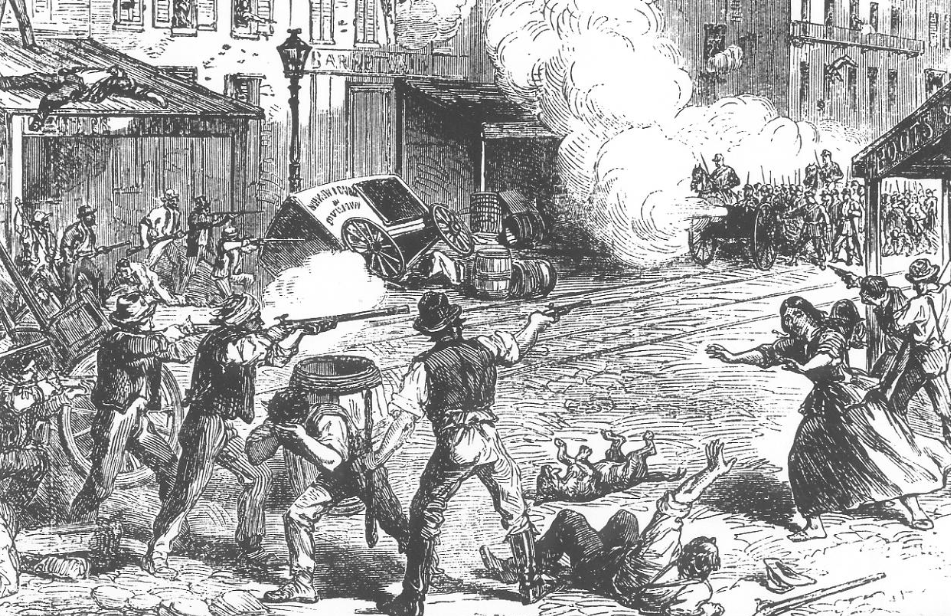
New York City, like all large cities, has experienced a number of riots in its long history.  But the Draft Riots of 1863 surpassed every other upheaval, before or since, in unadulterated ferocity. 

Continue reading

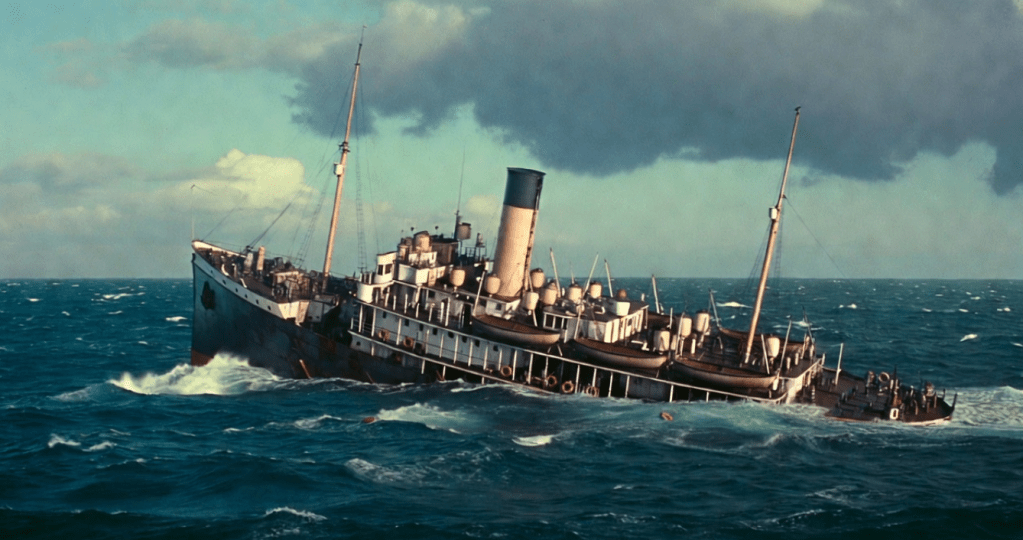
Heroism During The Loss Of The “Stella”

It is at moments of unremitting extremity that we discover our true natures.  The tragic loss of the British ship Stella in 1899 provides an illustration of this principle.  The story appears in a 1962 volume of nautical lore entitled Women of the Sea by the maritime writer Edward R. Snow; but since the book has long been out of print, it will be retold here in abbreviated form, with Mr. Snow’s account as my primary source.

Continue reading

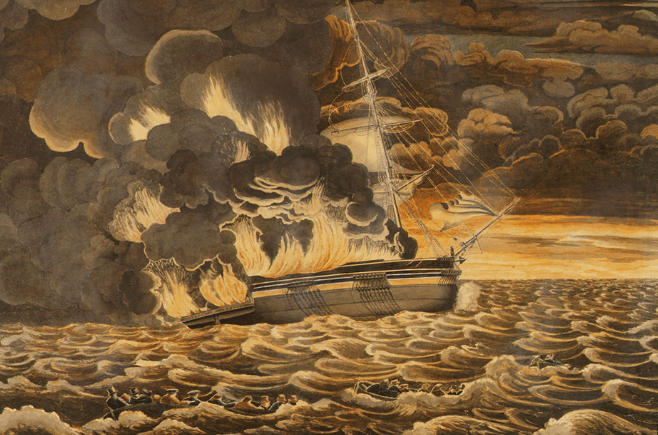
The Loss Of The “Boston,” Which Was Burned By Lightning

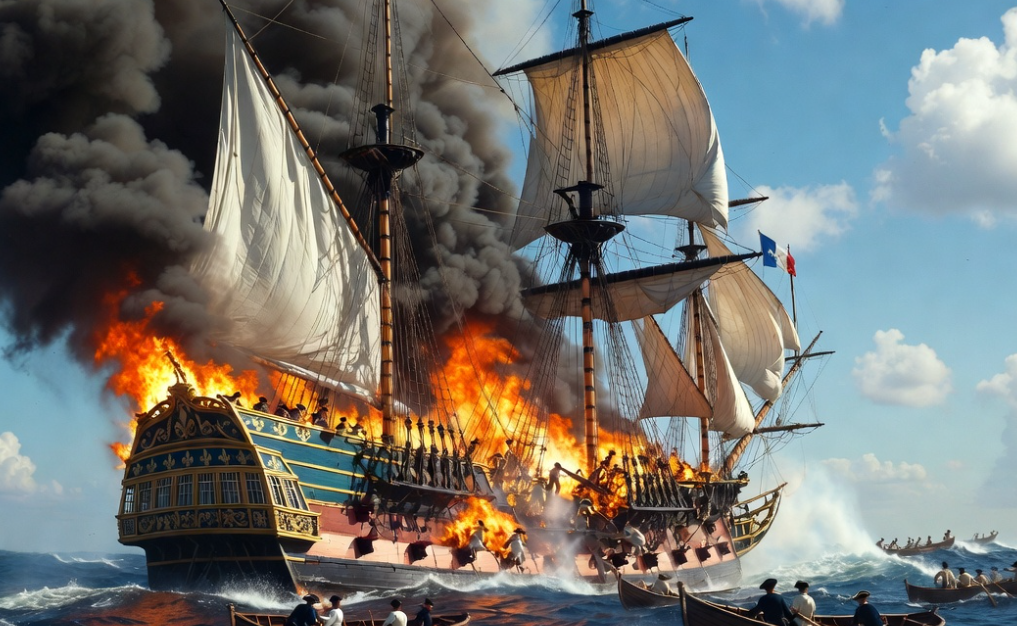
No one should doubt the extraordinarily destructive power of lightning.  A dramatic illustration of this power occurred in 1830, when the packet ship Boston was hit by a bolt of lightning in the Atlantic and burned to the waterline, with the loss of one unfortunate passenger. 

Continue reading

The Expedition Of Antoine d’Entrecasteaux

The French naval officer and explorer Antoine Bruni d’Entrecasteaux was born at Aix-en-Provence in 1739.  He enlisted in the French Navy in 1754; but he must have shown promise to his superiors, for they granted him an officer’s commission two years later. 

Continue reading

A Bad Omen At Sea Portends Disaster

The following story is found within the pages of an 1840 volume entitled The Book of Shipwrecks and Narratives of Maritime Discoveries and the Most Popular Voyages.  The narrator of the tale, as seems to have been the custom in those days when relating first-hand accounts, has omitted some specific details, such as the ship’s name, the dates, and the identities of major protagonists.   

Continue reading