I had the privilege of doing a recent interview with Ms. Anya Leonard of Classical Wisdom, a publication that focuses on classical learning and education. The interview can be seen here:
Continue readingI had the privilege of doing a recent interview with Ms. Anya Leonard of Classical Wisdom, a publication that focuses on classical learning and education. The interview can be seen here:
Continue reading
In this podcast we discuss love, sloth, and free will in the context of Canto 18 of Dante’s Purgatorio. What is the nature of love, and how does it affect our souls? What is the true meaning of sloth? What place does free will have in our lives? We explore these questions.
Continue reading
We begin with a few recommendations on books and resources to use in understanding Dante’s Divine Comedy. Then we switch gears, and get into the meat of the podcast. It seems we become substantially different people every seven to ten years, more or less. We may feel self-conscious or uncomfortable about the things we said, wrote, or believed when we were younger. Is it normal to feel this way? And is it better to preserve a record of one’s thought, or to renounce beliefs one no longer holds? We discuss both sides of the question.
Continue reading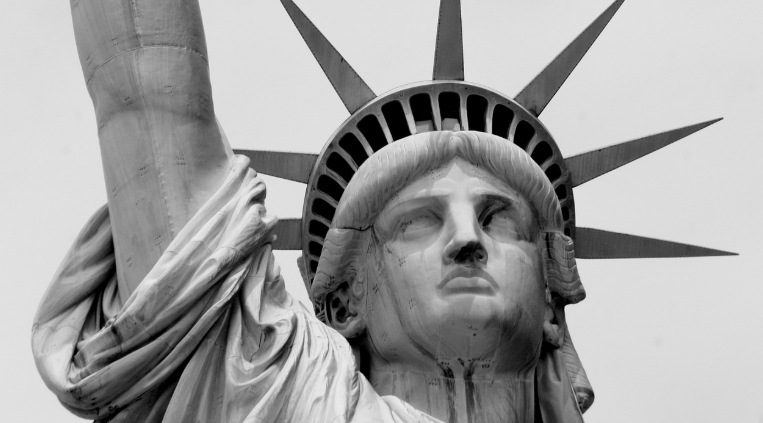
Rights and liberties that have been won by past generations will not remain won without active and forceful advocacy by successive generations. Why? Systems of power and control will inevitably regroup and counterattack, and seek to roll back the clock. This is happening all around us now. Those who are unwilling to assert their rights, and unwilling to protect what past generations earned, will find themselves stripped of their patrimony.
Continue reading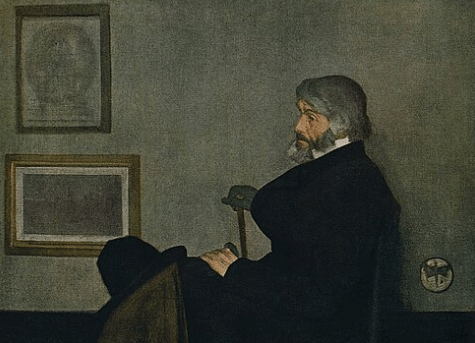
In an 1842 letter to Ralph Waldo Emerson, the Scottish writer Thomas Carlyle chastised Emerson, saying, “A man has no right to say to his generation, turning away from it, ‘Be Damned!’ It is the whole past and the whole future, this same cotton-spinning, dollar-hunting, canting and shrieking, very wretched generation of ours. Come back into it, I tell you.” What did he mean by this? And what importance does Carlyle’s admonition have for us today? It turns out that it has a great deal of importance. We discuss.
Continue reading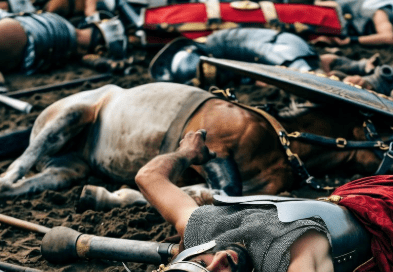
In this podcast I describe unforgettable images that have emerged from the aftermaths of certain battles. We discuss Livy’s description of the battlefield after Cannae, a scene in Dante, and an anecdote from the American Civil War.
Continue reading
In this podcast we take a quote from Seneca, discuss its meaning, and apply it to some modern life lessons.
Continue reading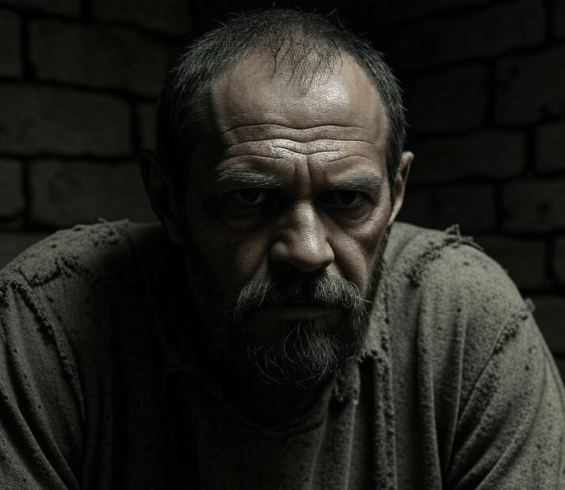
In this podcast we discuss the story of “Akulka’s Husband,” which is found in Fyodor Dostoyevsky’s novel The House of the Dead. What does the story mean, and what conclusions can be drawn from it?
Continue reading
When you give control of your work to third parties, you must take care that they do not alter, corrupt, or destroy what you have created. We use the story of the development and issuance of the M16 rifle in the U.S. military in the early 1960s as a tragic example.
Continue reading
In this podcast, we discuss the real meaning of a few verses from the poet Horace (Epistles I.18.84-85). The quote is: “When a neighbor’s house burns, neglected fires are in the habit of gaining in strength.” These lines are important, and merit comment. We are all connected, and the evil that happens to one man in one place, can easily be experienced by another man somewhere else.
Continue reading Quintus Curtius
You must be logged in to post a comment.