
The Banners Of The King Of Hell Go Forth

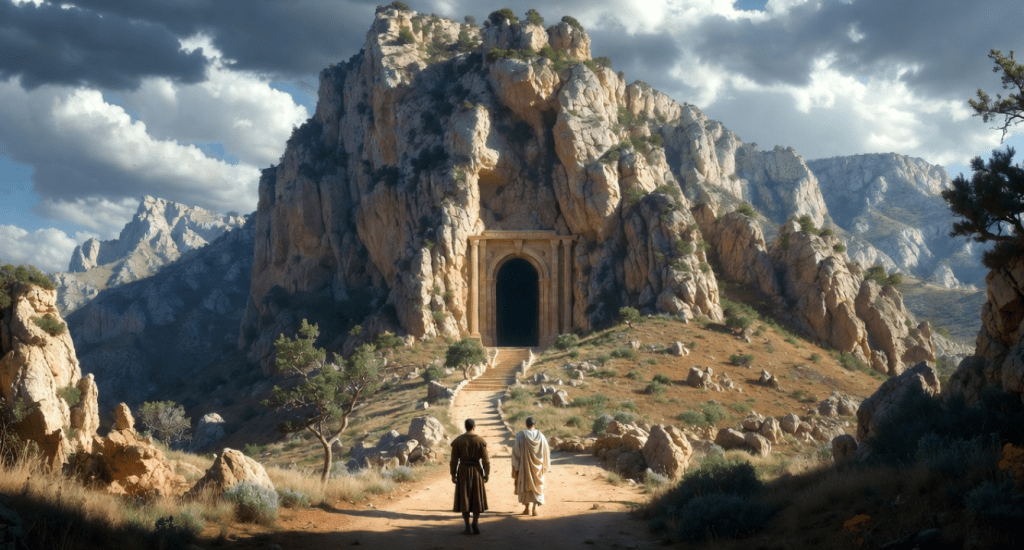
In the thirty-fourth canto of Dante’s Inferno, our intrepid tourists Dante and Virgil find themselves at the very bottom of Hell’s ninth circle, known as Judecca, a name derived from Judas Iscariot.  With his enthusiasm for classification and categories, Dante has given us names for the different parts of the ninth circle, in which are housed particular types of traitors:  Caina (for traitors to family), Antenora (for traitors to country), Ptolomaea (for betrayers of guests), and Judecca (for traitors to benefactors).

Continue reading

The Zero Sum Game

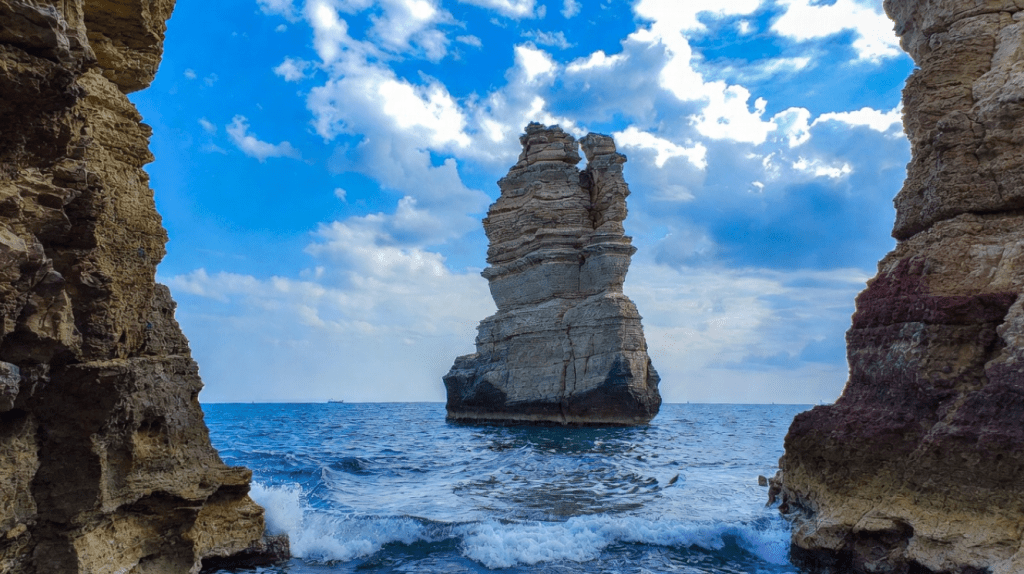
I read recently a fascinating tale of nautical survival. In 1965, six teenage Tongan boys were shipwrecked on the uninhabited island of Ata in the Tongan Archipelago of Polynesia.  After stealing a boat, they had encountered a storm which deposited them on the island without any means of communication with the outside world. 

Continue reading

Ne Plus Ultra

Canto XXVI of Dante’s Inferno takes place in the eighth bolgia (ditch) of the Eighth Circle of Hell.  Here reside those guilty of providing fraudulent or deceitful counsel.  In life, these souls used their persuasive abilities to harm or destroy others; and, in keeping with Dante’s attention to the principle of contrapasso, their punishment in Hell fits their crimes during life.  As they once used their tongues for malicious speech, so in the afterlife are their souls “tongued” forever with flame. 

Continue reading

Give It Time (Podcast)

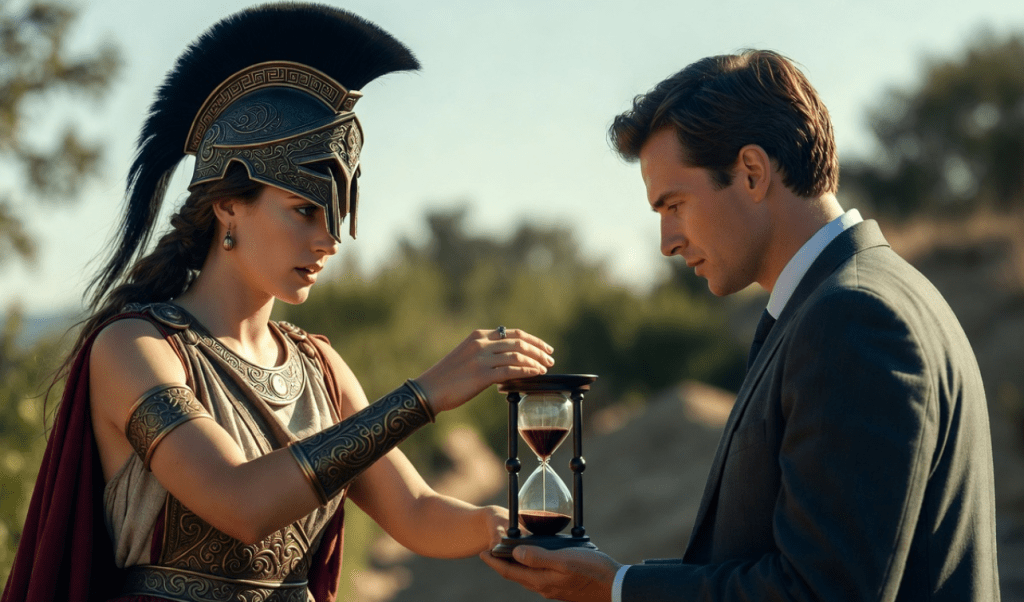
We begin with a few recommendations on books and resources to use in understanding Dante’s Divine Comedy. Then we switch gears, and get into the meat of the podcast. It seems we become substantially different people every seven to ten years, more or less. We may feel self-conscious or uncomfortable about the things we said, wrote, or believed when we were younger. Is it normal to feel this way? And is it better to preserve a record of one’s thought, or to renounce beliefs one no longer holds? We discuss both sides of the question.

Continue reading

Press Your White Hairs With A Helmet

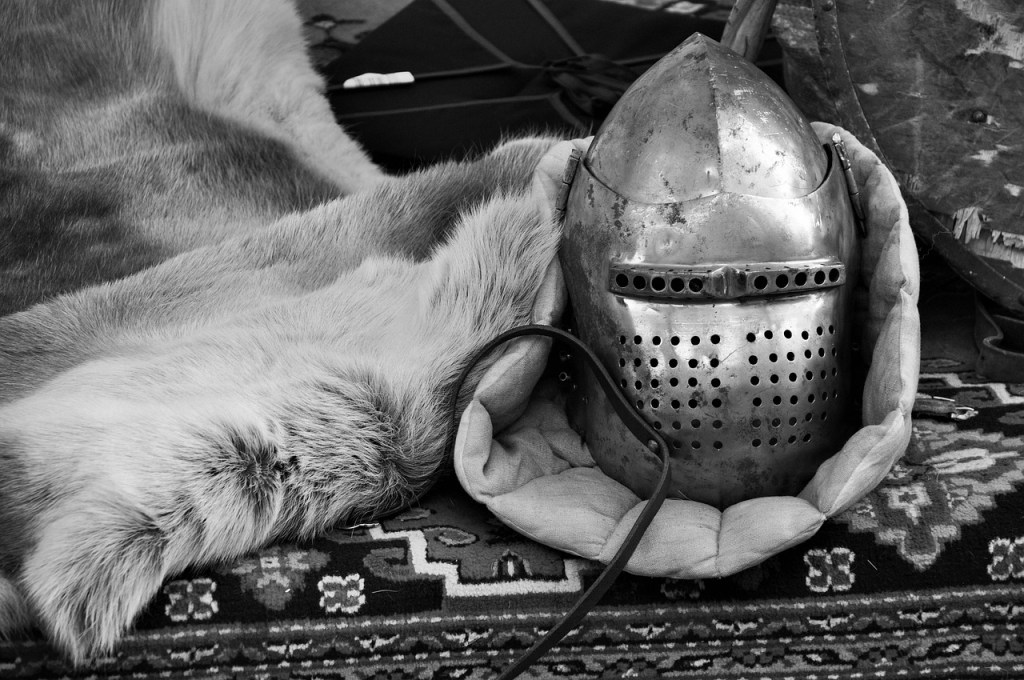
In book nine of the Aeneid, the Rutulian warrior Numanus Remulus makes a famous declamation, in which he speaks the following lines:

Continue reading

The Aftermath Of Battle (Podcast)

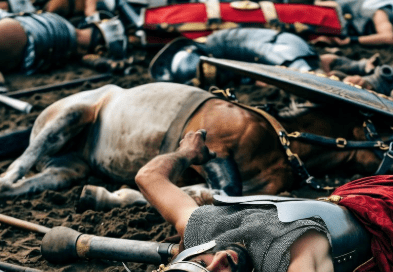
In this podcast I describe unforgettable images that have emerged from the aftermaths of certain battles. We discuss Livy’s description of the battlefield after Cannae, a scene in Dante, and an anecdote from the American Civil War.

Continue reading