The pages of the medieval biographer Ibn Khallikan (II.301) contain the following moral anecdotes related to an obscure poet named Abu Al-Hasan Ibn Bassam (?–A.D. 914), who was known by the surname Al-Bassami.
Continue readingThe pages of the medieval biographer Ibn Khallikan (II.301) contain the following moral anecdotes related to an obscure poet named Abu Al-Hasan Ibn Bassam (?–A.D. 914), who was known by the surname Al-Bassami.
Continue reading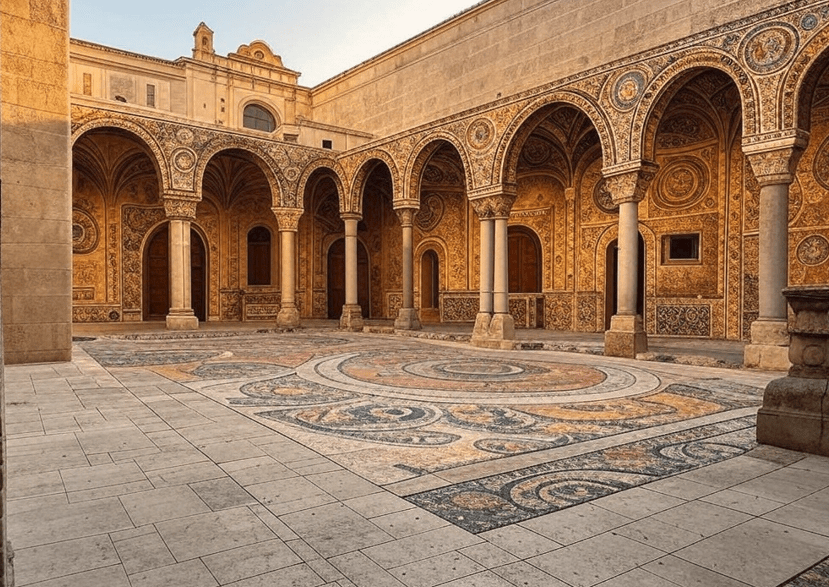
Buried in the learned and fecund pages of Ibn Khallikan (IV.43) is an amusing tale of an impoverished poet of medieval Sicily. Who will object to its retelling?
Continue reading
One of Saladin’s advisors was a man known by the honorific title Al-Qadi Al-Fadil (“The Excellent Judge”). We will not try the reader’s patience by recording his protracted real name, but we will note that he lived from 1135 to 1200. Great conquerors in history always seem to be accompanied by wise counsellors; perhaps there is an important lesson to be derived from this fact.
Continue reading
According to the biographer Ibn Khallikan, the poet Ibrahim Al-Suli (?—857 A.D.) was once employed by a caliph to compose a threatening letter to some rebellious subjects. The letter contained the following words:
Continue reading
Ya’qub Ibn Al-Laith Al-Saffar was the founder of the Saffarid Dynasty of Sistan. He lived from A.D. 840 to 879, and rose from humble origins in Afghanistan to conquer an immense area comprising parts of Iran, Afghanistan, Turkmenistan, Tajikistan, and Uzbekistan.
Continue reading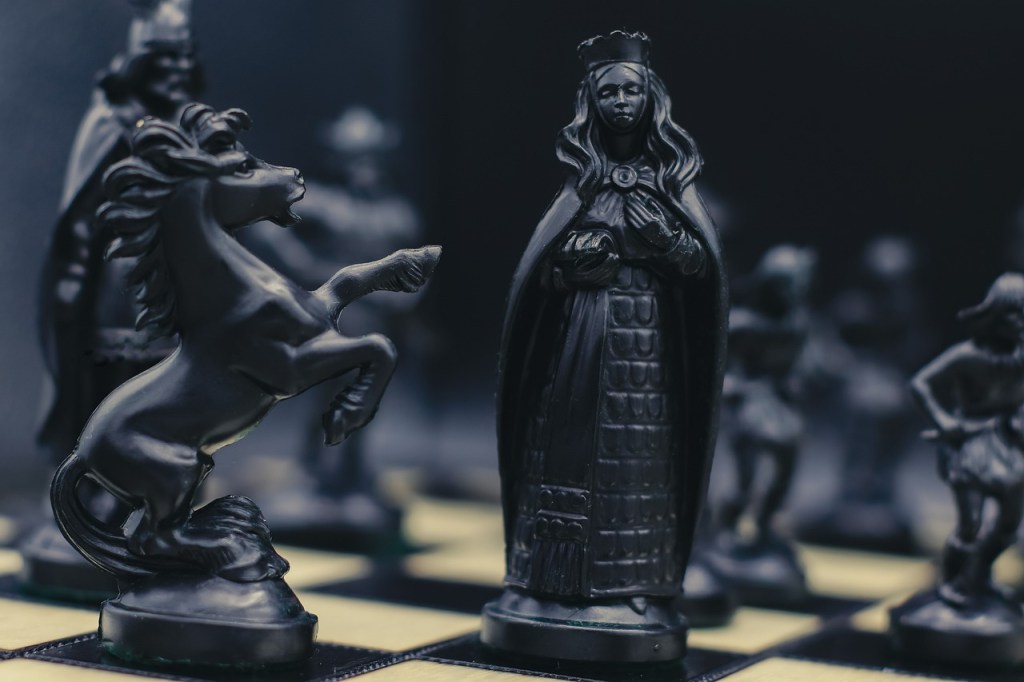
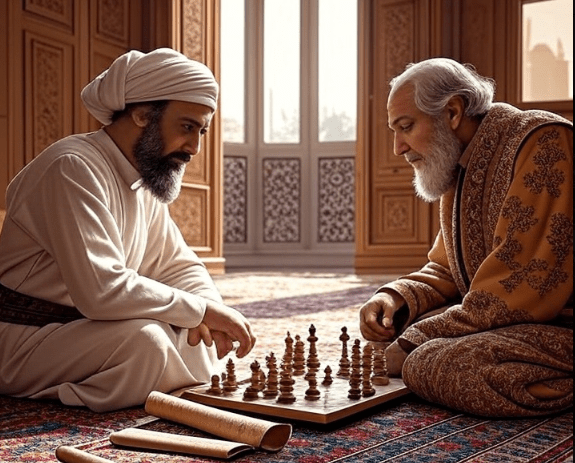
Ibn Khallikan’s Biographical Dictionary contains an entry (III.68) for one Abu Bakr Al Suli, who is described as an accomplished scholar, biographer, and enthusiast of the game of chess. He was so good at this game, we are told, that his name entered the roll of Arabic proverbs in the saying, “He plays chess like Al Suli.”
Continue reading
The noted jurisprudent, polymath, political scientist, and theologian Ali Ibn Muhammad Ibn Habib (علي إبن محمد إبن حبيب) was a native of Basra, Iraq, and lived from about A.D. 974 to 1058. He is more commonly known by the name Al-Mawardi (الماوردي).
Continue reading
An enigmatic story is contained in Ibn Khallikan’s biographical summary of the life of the seventh century Basran poet Ibn Mufarrigh. The story is one of the few times that the biographer, speaking of himself in the first person, relates an incident connected with his own life.
Continue reading
Edgar Allan Poe’s short story “The Man That Was Used Up” was first published in 1839. The plot line of the story is as follows.
Continue reading
Wise sayings can soothe life’s hardships by reminding us that past travelers on the road have met with similar trials. Adages are distillations of lived wisdom, condensed for mental retention and seasoned, in many cases, with pathos and humor. We will first consider a saying by Ibrahim Ibn Al Abbas Al Suli, a poet who “belonged to a highly respected Turkish family,” according to our trusted biographer Ibn Khallikan, whose earnest pages have brightened many a gloomy day.
Continue reading Quintus Curtius
You must be logged in to post a comment.