I Was Shipwrecked Even Before Boarding The Ship

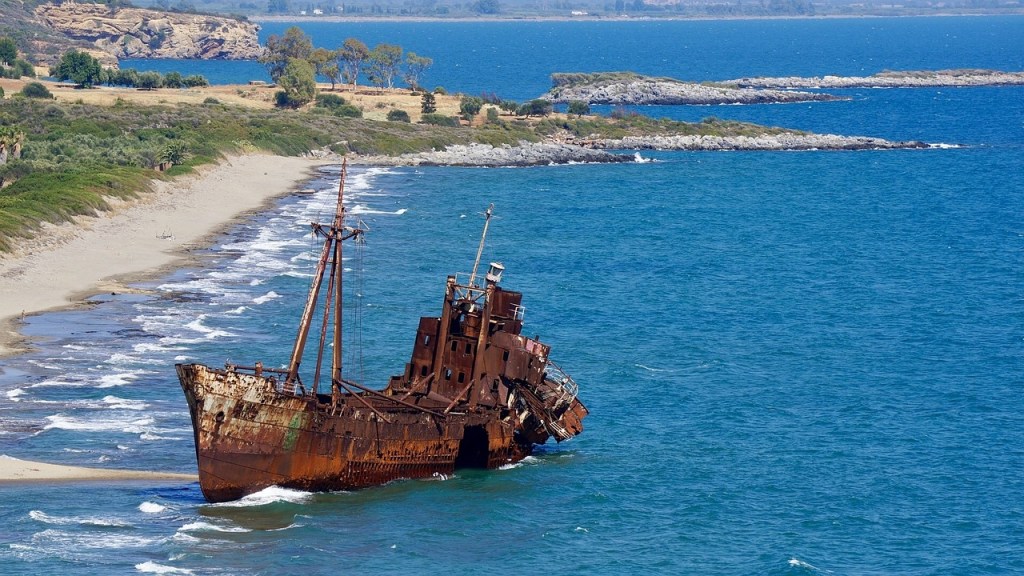
A beautiful feature of proverbs and aphorisms is their flexibility of interpretation.  Different readers can find in them varying interpretations based on their own experiences and perceptions.  Some proverbs admit only a narrow degree of interpretive variance; others draw their power from ambiguity, and allow for a broad range of possible meanings.

Continue reading

Swords And Years

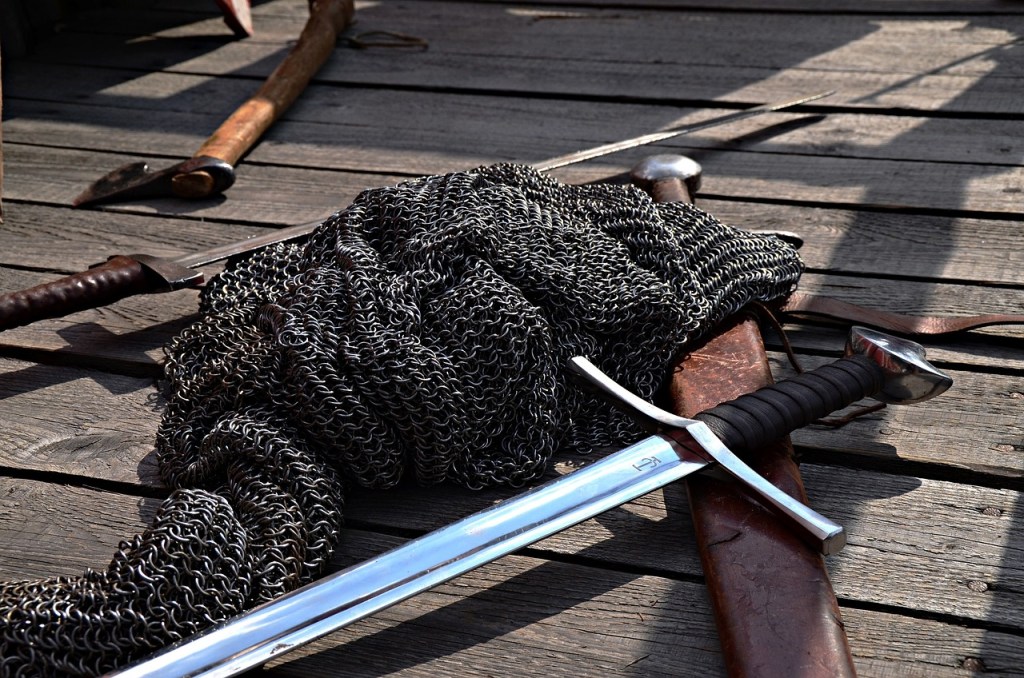
There is an anecdote found in Valerius Maximus (VI.2.10) that calls our attention to the difference between the respective powers of raw force and steady patience.  A brutal consul named Cnaeus Carbo was threatening to put the city of Placentia under siege.  He ordered a city magistrate named Marcus Castricius to give him hostages as part of his campaign of destruction. 

Continue reading

With Useless Delays, Threats Succeed

According to the biographer Ibn Khallikan, the poet Ibrahim Al-Suli (?—857 A.D.) was once employed by a caliph to compose a threatening letter to some rebellious subjects.  The letter contained the following words:

Continue reading

Surge And Consolidate, Surge And Recuperate

There is a line in one of Seneca’s letters (107.11) that reads:

Ducunt volentem fata, nolentem trahunt.

Seneca is quoting a line by the philosopher Cleanthes, which means, “The fates lead along the willing, and carry along the unwilling.”  It does not matter whether we want, or do not want, to move in some direction; we will be brought there by the operation of Fate.  Of course there are many who will say that this is nothing but a crude fatalism that promotes resignation and apathy.  Carried to excess, the idea does lend itself to these sentiments.  On the other hand, I am sure that there are many who can confirm that, in some cases, doing nothing is better than constantly straining to force a certain outcome.

Continue reading