“You’re Supposed To Do Something About It” (Podcast)

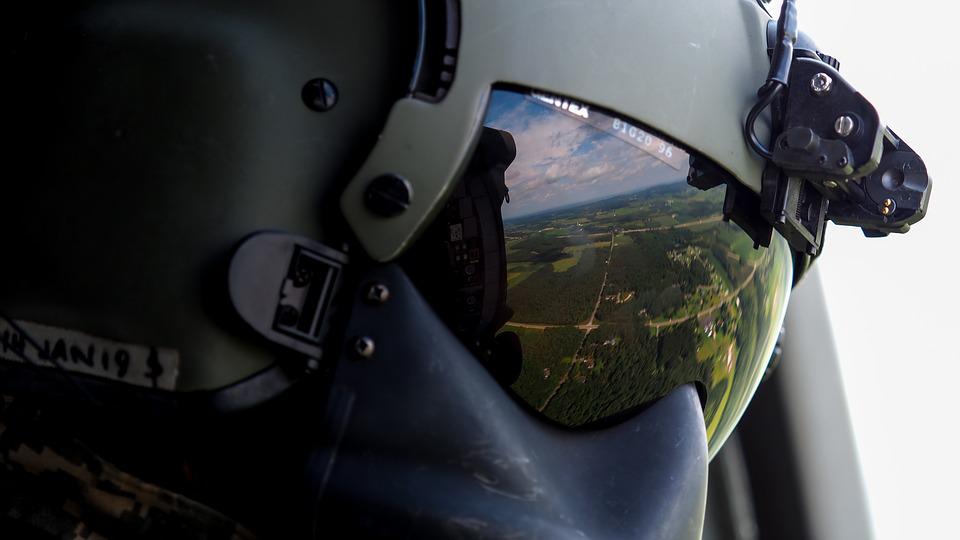
At the end of the movie “The Maltese Falcon,” Sam Spade explains his personal code to Mary Astor. He tells her, “When your partner is killed, you’re supposed to do something about it. It doesn’t matter what you thought of him. You’re supposed to do something about it…” But there is a larger lesson here. When problems exist, you have to do something. You have to take action to fight the problems. Running away to live a life of narcissism and selfishness is not what men do.

Continue reading
Petty Pride And True Usefulness

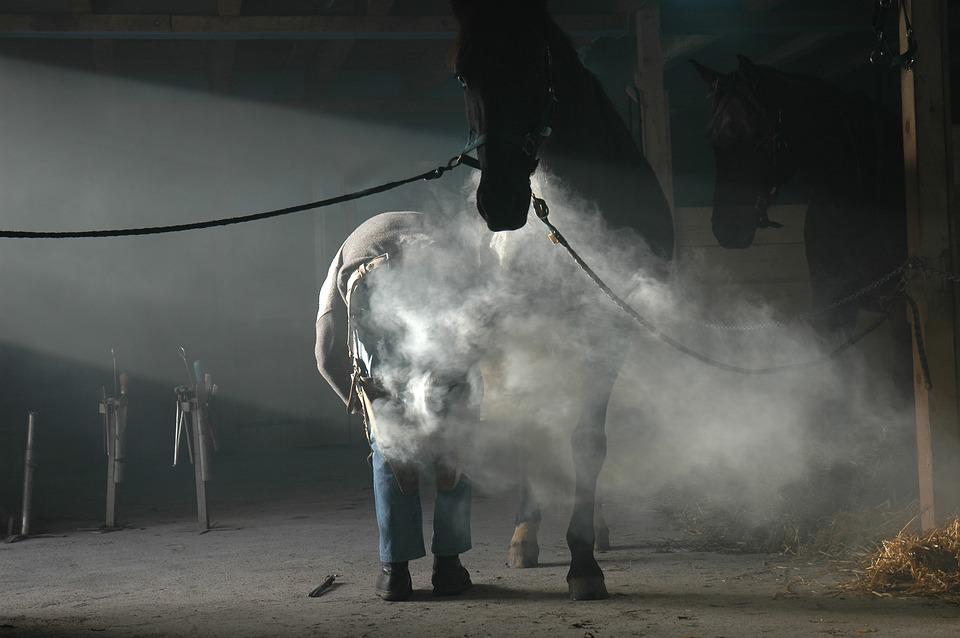
Few contrasts in character traits are as sharp as the difference between petty pride and true usefulness.  The former elevates vanity as a virtue, while the latter represents the practical skills required for life’s unending challenges. 

Continue reading

The Best Reliance Is Self-Reliance

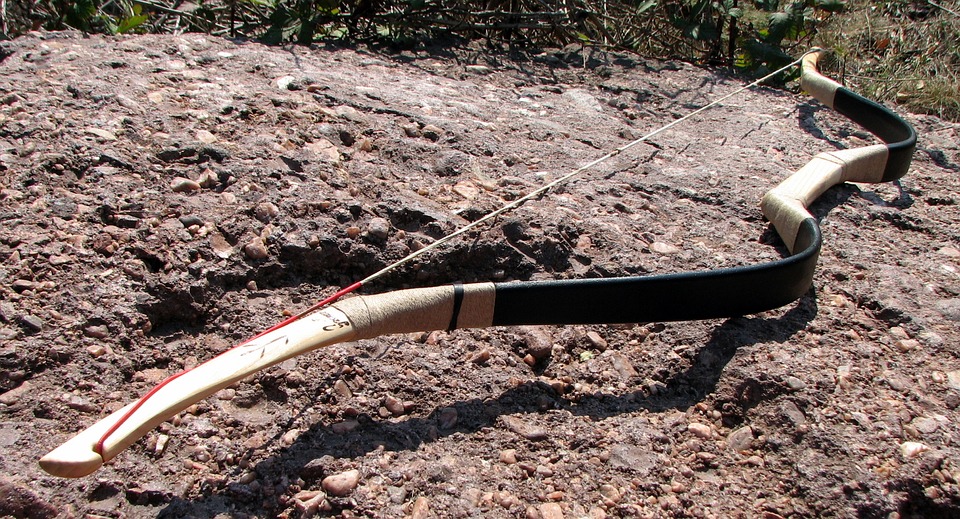
The Roman writer Aelian makes an interesting comment in his Varia Historia (II.39) about the education of Cretan youths in ancient times.  He says that the children of citizens (presumably both boys and girls) would learn the laws of their island with musical accompaniment as an aid to memorization. 

Continue reading

Do Not Seek Immediate Utility In Everything

In his Politics, Aristotle spends a good deal of time discussing the education and training of the youth.  One memorable passage contains the following thoughts:

Continue reading

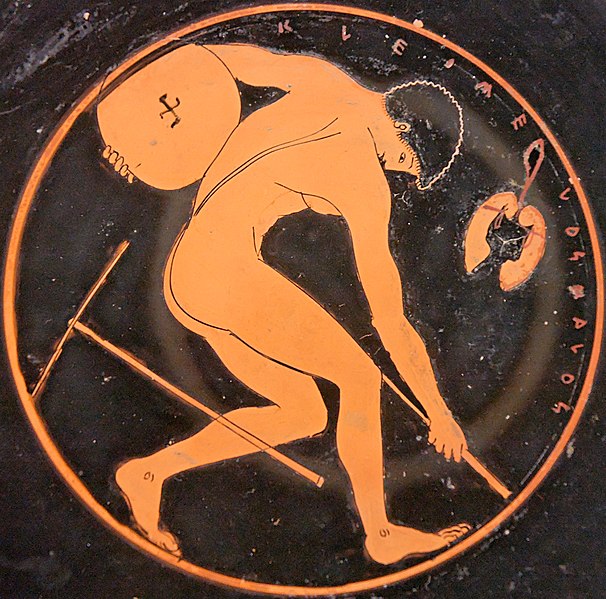
Ancient Greek Athleticism And The Idea Of Virtue

This morning my friend Dr. Michael Fontaine sent me an email that contained the following quote by the French Enlightenment thinker Bernard Le Bovier de Fontenelle.  When Fontenelle, at the age of 85, met Rousseau in 1742, he counseled him, “You must courageously offer your brow to laurel wreaths, and your nose to blows.” 

Continue reading

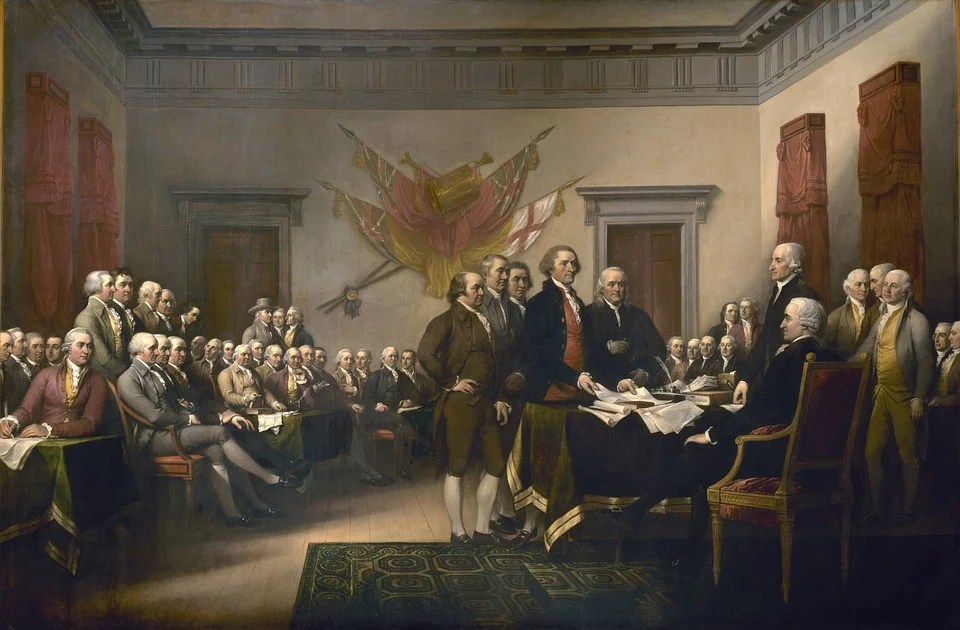
The Declaration Of Independence (A Reading)

This podcast is a reading of the text of the Declaration of Independence, one of the keystone documents of the American Revolution.

Continue reading

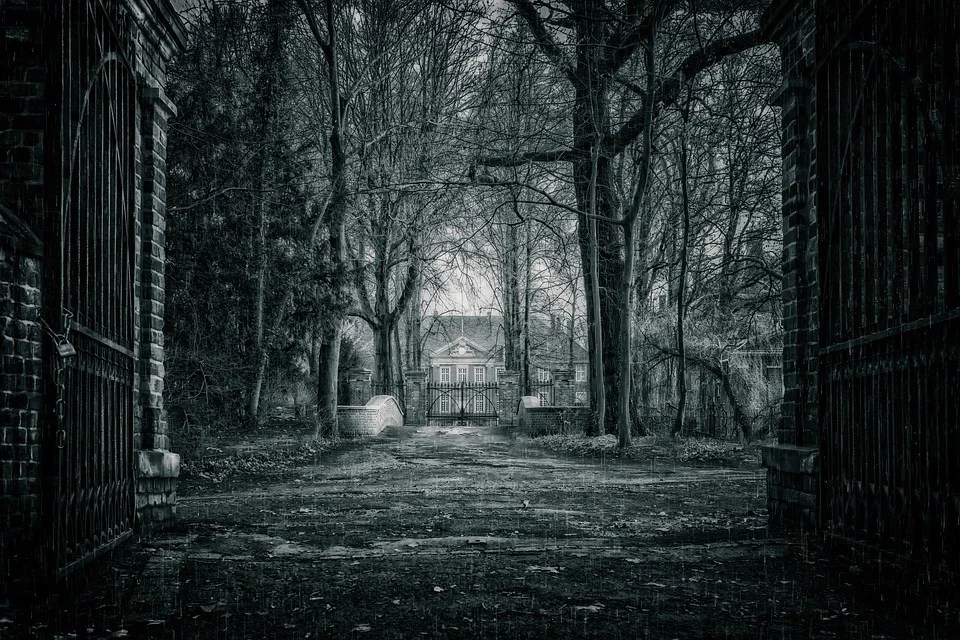
The Greatest Horror Films Ever Made

Why horror?  What is it about this genre that exerts such a hold on our imagination?  What psychological need is served by the human desire to be frightened or unnerved?  Perhaps some residue of our prehistoric consciousness, in which our hominid ancestors were stalked by ancient predators on the African savannahs, demands to be recognized as an evolutionary survival sense; or perhaps the perception of fear awakens certain synapses in the brain, igniting the spark of creative impulses that demand some form of outward expression.  I do not know.

Continue reading