The Leadership Principles Of Iphicrates

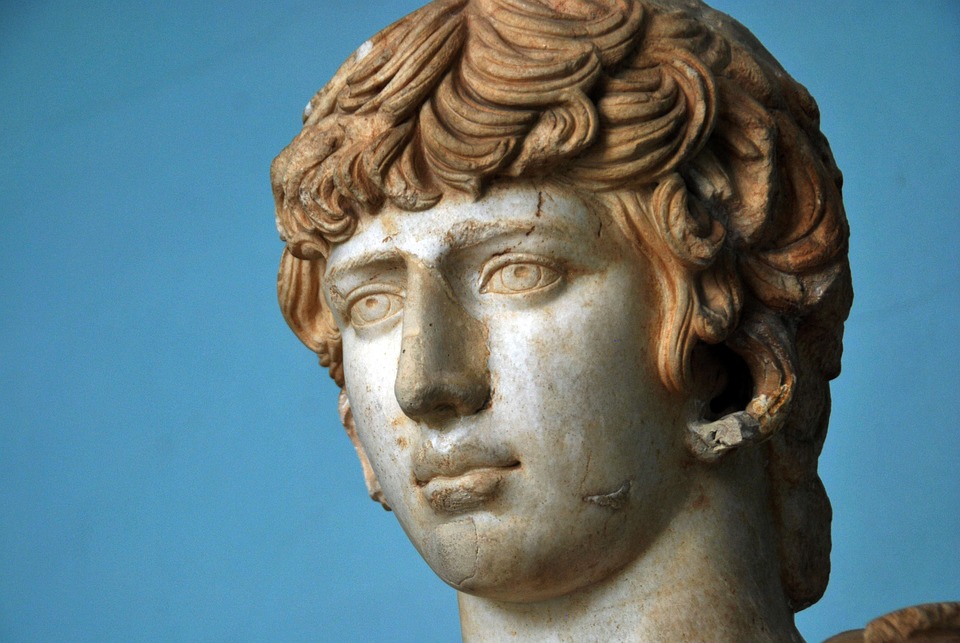
History distinguishes the Athenian general Iphicrates for the superlative quality of his leadership, the extent of his martial innovations, and his understanding of the psychological dimension of war.  He lived from about 418 B.C. to 353 B.C.  We will discuss some of the leadership principles that may be distilled from the writings of two ancient historians, Cornelius Nepos and Polyaenus.

Continue reading
Better Exile Than Submission: The Passion Of Dante Alighieri

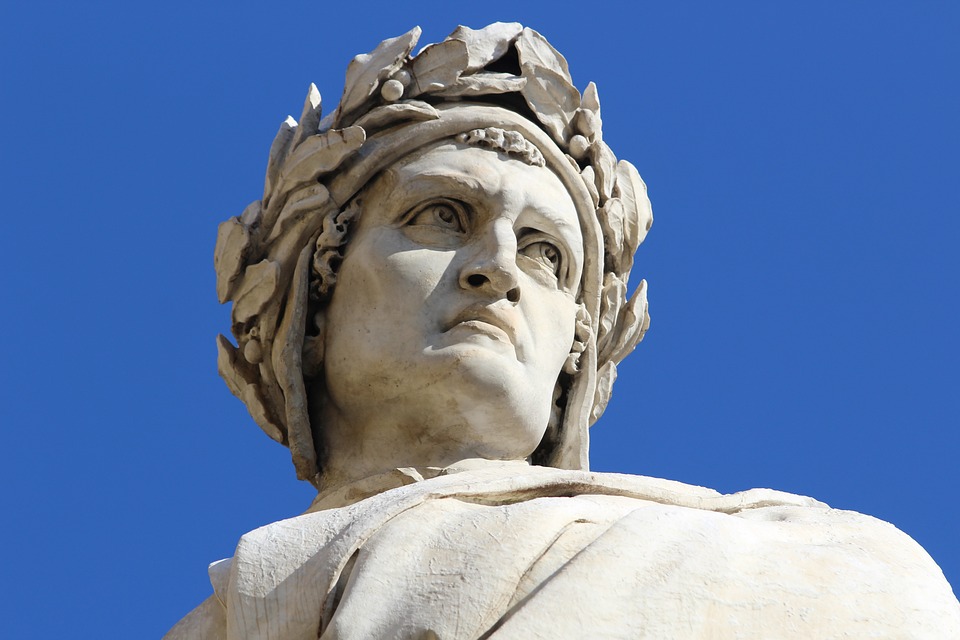
Dante Alighieri was born in 1265 to Bella and Alighiero Alighieri.  His mother died in Dante’s infancy, and his father passed away when the poet had barely reached fifteen.  It was not a wealthy family by any measure; although Dante’s Florentine lineage was distinguished, his family was unable to convert pedigree to lucre.

Continue reading

Alexander And Porus Speak On Fortune And Glory

Alexander the Great’s incursions into the Indian subcontinent brought him into conflict with local rulers unwilling to submit to Macedonian rule.  One of these rulers is known to history by the name Porus.  The sources are vague and contradictory, but he apparently controlled the Punjabi region bordered by the Jhelum and Chenab rivers. 

Continue reading

The Bad Acts Of Others Do Not Excuse Our Own

The adventures of the Armenian king Papa, who lived from A.D. 353 to about 375, are described by the Roman historian Ammianus Marcellinus (XXX.1).  Gibbon gives the king’s name as Para; other sources variously spell his name as Pap or Papa.  We nod at all these spelling variations, and suggest the reader choose the one he favors most.

Continue reading

The Most Odious Of All Treacheries

There is an instructive historical anecdote that appears in the writings of both Frontinus (Stratagems IV.4) and Valerius Maximus (VI.5).  It describes an incident that took place in 394 B.C. during the consulship of Camillus. 

Continue reading