
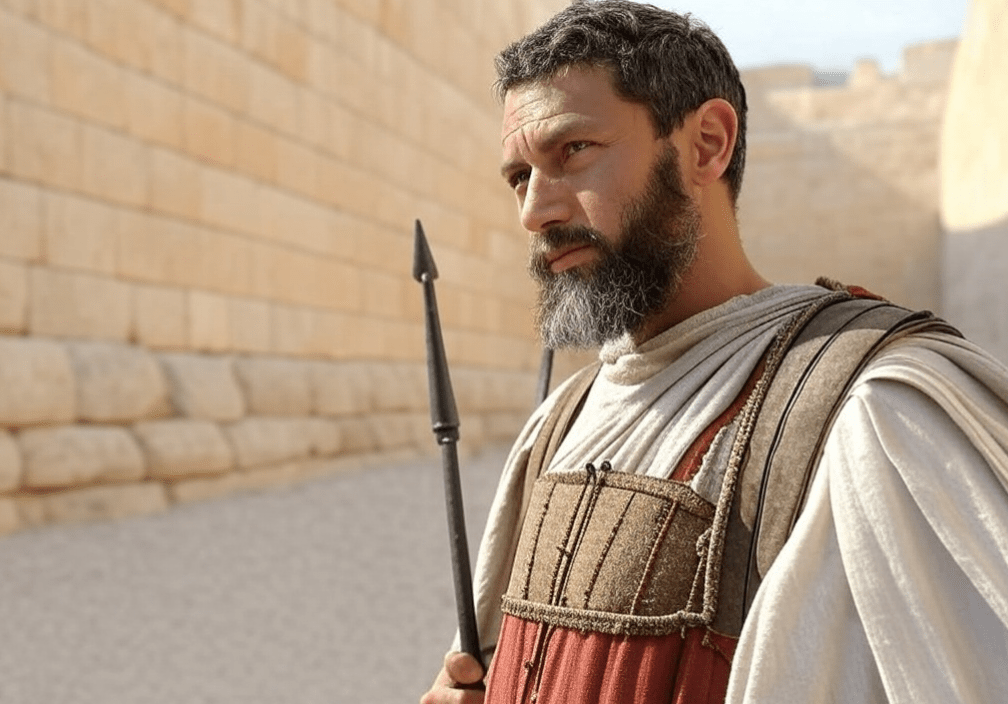
There is an anecdote told about the Athenian commander Iphicrates during the time his forces were defending the city of Corinth from 393 to 391 B.C.
Continue readingThere is an anecdote told about the Athenian commander Iphicrates during the time his forces were defending the city of Corinth from 393 to 391 B.C.
Continue reading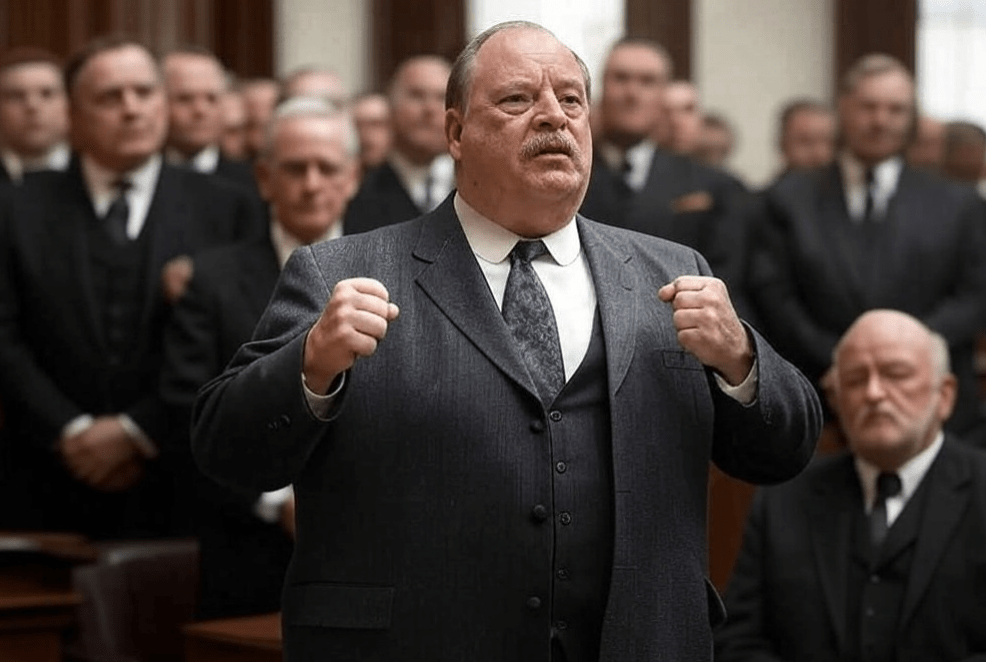
We will discuss the preparation and delivery of the prepared and the extemporaneous speech. I find that, in reviewing the vast corpus of writing about this subject, most authors have devoted their attentions to abstract theories and didactic classifications, instead of practical and effective advice. My comments here are not intended to be an exhaustive study of the art of speech-making; they are meant only to suggest what methods have worked well for me in twenty-five years of trial work before the bar.
Continue reading
In this podcast we describe the three branches of the United States government, their responsibilities, and some related details. I had been asked some questions about this subject, and thought it might be useful to discuss it. A related topic is this: what happens if one branch of government exceeds its authority?
Continue reading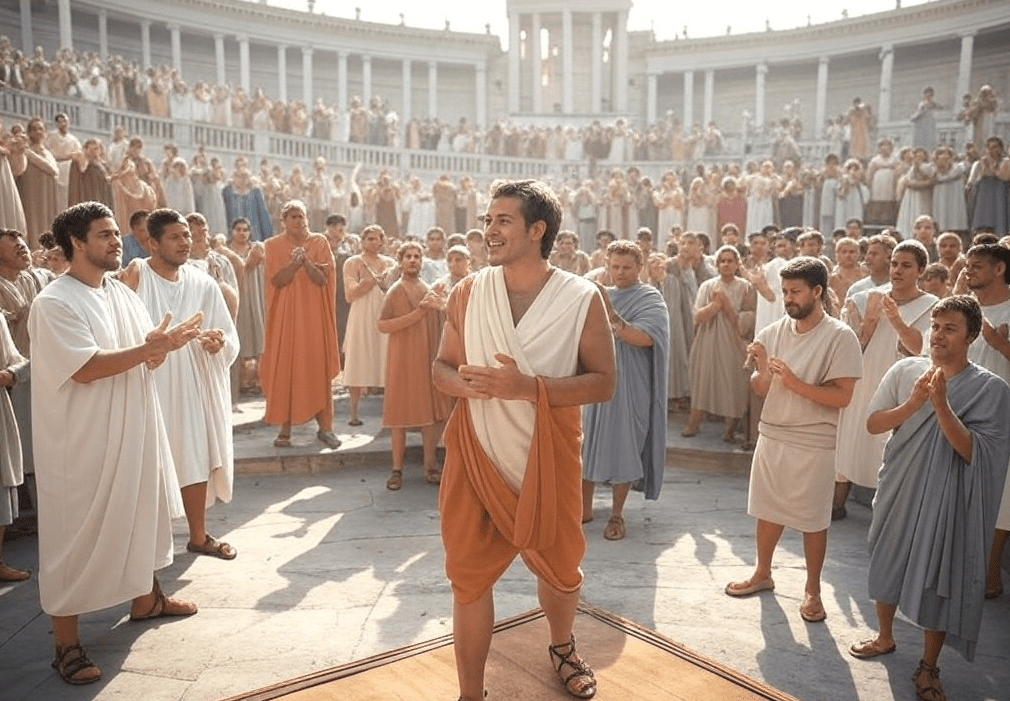
The lawyer and epistolarian Pliny the Younger, in his correspondence with a friend, vented his anger on the sycophantic atmosphere surrounding certain courts of his era. The centumviral courts—so called because they were composed of pools of one hundred men (centum viri)—were courts of equity dealing primarily with civil matters. Offended by the insolence and effrontery of the practitioners and advocates before the bar who had no respect for tradition and decency, Pliny writes:
Continue reading
Vasili Nikitich Mitrokhin was a Soviet intelligence officer who first began work for his country’s security services in the late 1940s. During the 1950s, he was sent on various overseas missions; but he was apparently ill-suited to field work, and was reassigned to a desk job as an archivist.
Continue reading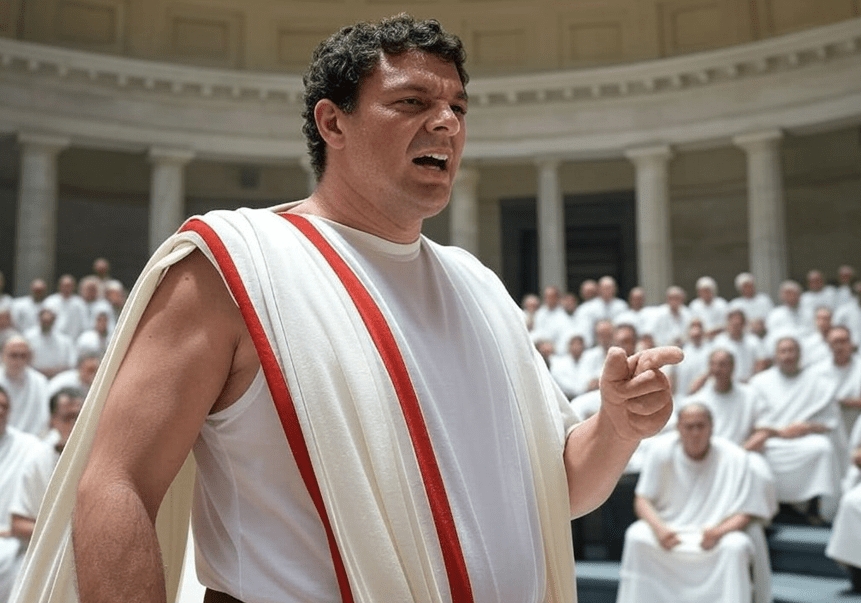
The rhetorician Quintilian, in his study of the orator’s education (IV.2.52), stated that there were four factors affecting the credibility of a forensic argument. By forensic argument, we mean a speech or writing that examines past events and evidence in order to evaluate culpability.
Continue reading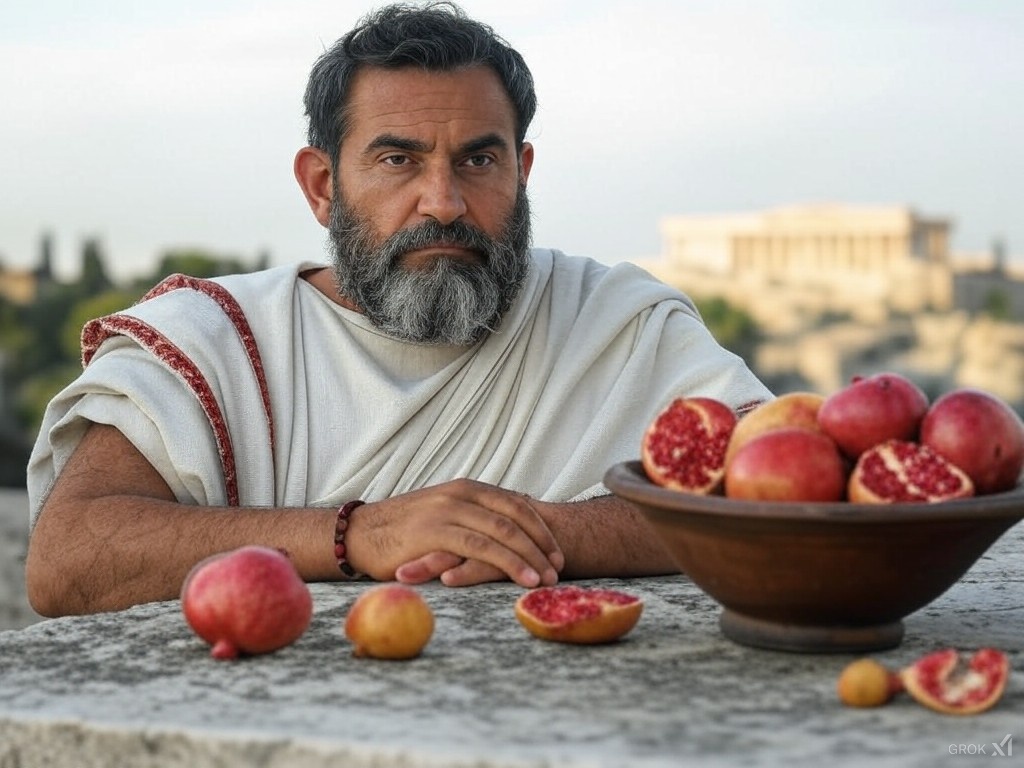
The Stoic philosopher Ariston of Chios was said to have believed strongly that the wise man should avoid making absolute judgments. Certitude, he felt, was neither possible nor desirable.
Continue reading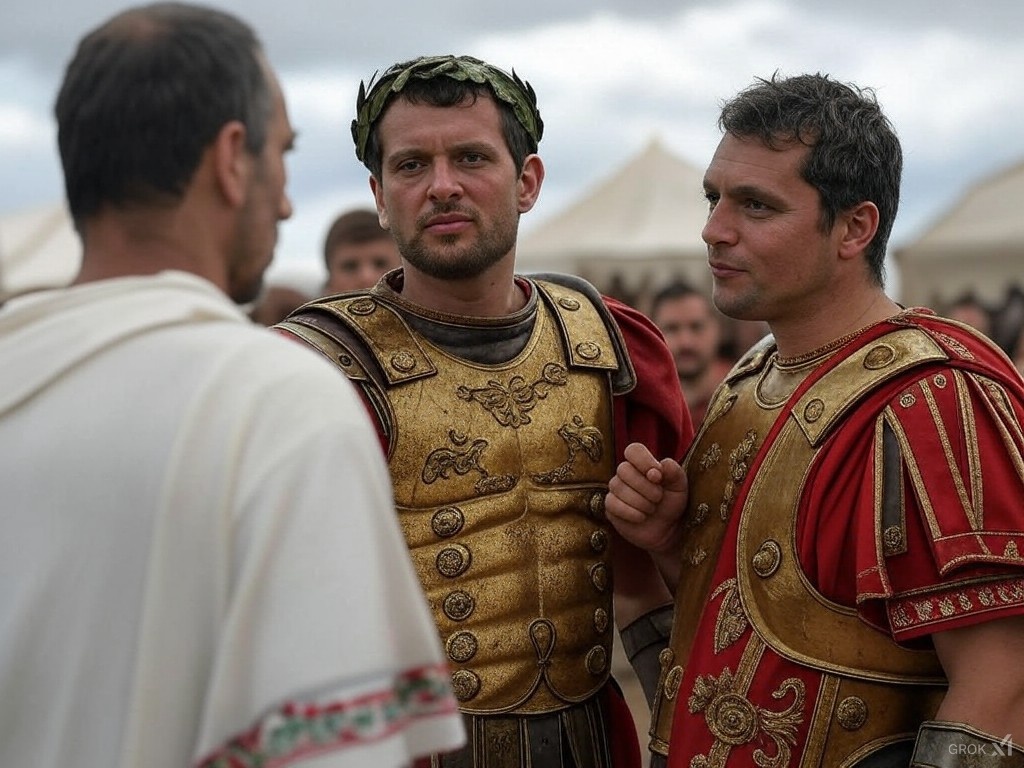
De poena prophetarum falsarum. If a leader cannot base his decisions on verifiable truth, or on the closest approximation of what he believes to be the truth, he will not escape calamity. He must surround himself with advisors who have his, and not their own, interests at heart; and he must seek independent confirmation of advice provided, especially during times of war or crisis.
Continue reading
For a great personality to flourish and find expression, the historical times must be favorable. History is filled with examples of great men who withered in obscurity simply because the periods in which they lived were unable to hear their voices. Greatness can only accomplish so much; it must be nurtured by propitious circumstances.
Continue reading
Below are listed the most visited essays of 2024. Not surprisingly, the movie pieces showed considerable traffic. But I did not expect a few essays from much earlier years to resurface: as the waters of time churn and seethe, what was once submerged can often break through the surface. The essays are listed in descending order, based on the number of views.
Continue reading

You must be logged in to post a comment.