
The Loss Of The “Boston,” Which Was Burned By Lightning

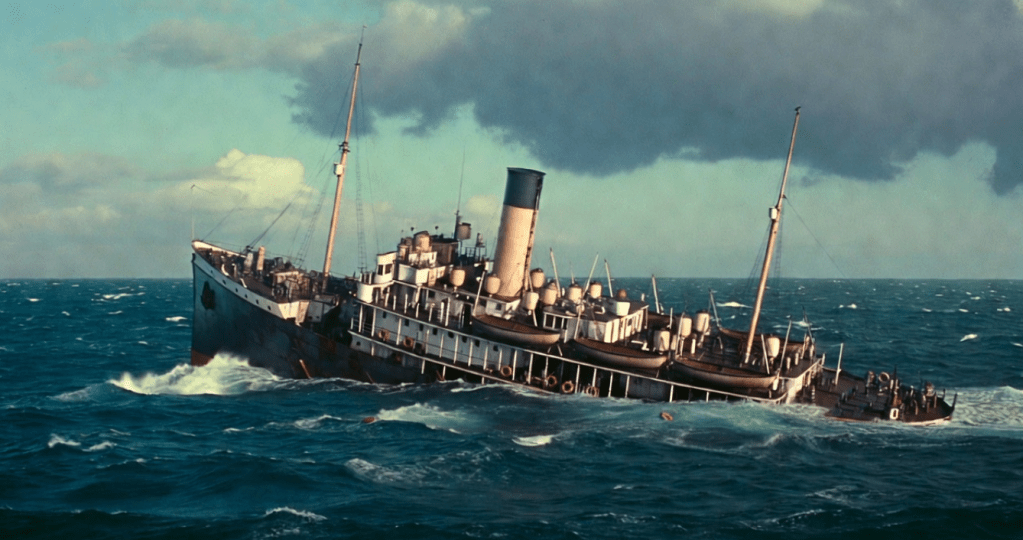
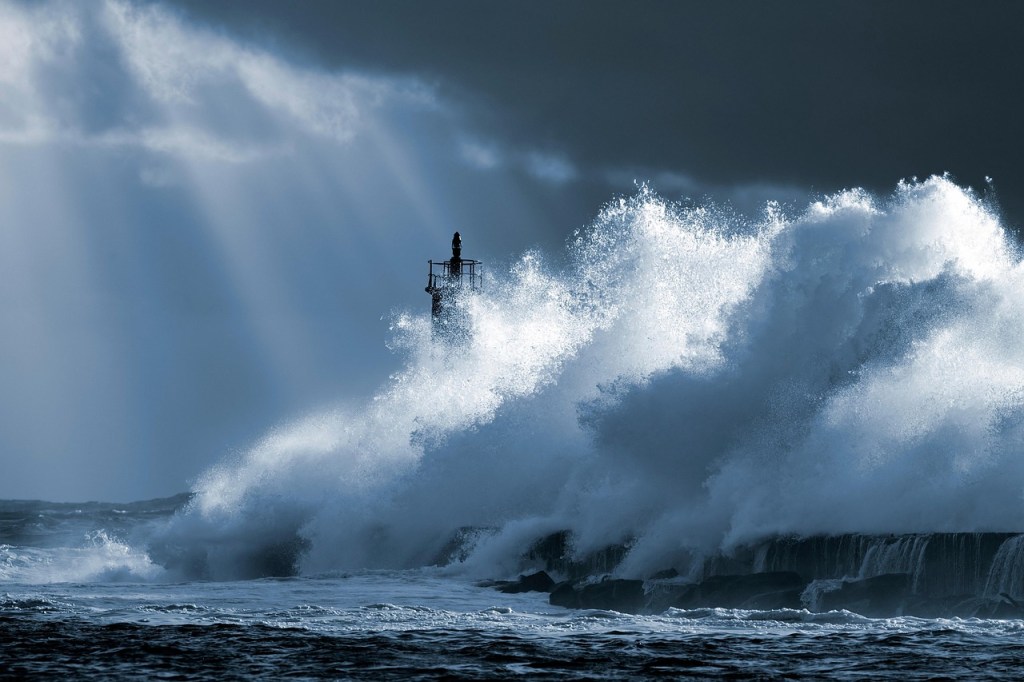
No one should doubt the extraordinarily destructive power of lightning.  A dramatic illustration of this power occurred in 1830, when the packet ship Boston was hit by a bolt of lightning in the Atlantic and burned to the waterline, with the loss of one unfortunate passenger. 

Continue reading

The Expedition Of Antoine d’Entrecasteaux

The French naval officer and explorer Antoine Bruni d’Entrecasteaux was born at Aix-en-Provence in 1739.  He enlisted in the French Navy in 1754; but he must have shown promise to his superiors, for they granted him an officer’s commission two years later. 

Continue reading

A Bad Omen At Sea Portends Disaster

The following story is found within the pages of an 1840 volume entitled The Book of Shipwrecks and Narratives of Maritime Discoveries and the Most Popular Voyages.  The narrator of the tale, as seems to have been the custom in those days when relating first-hand accounts, has omitted some specific details, such as the ship’s name, the dates, and the identities of major protagonists.   

Continue reading

The Aftermath Of Battle (Podcast)

In this podcast I describe unforgettable images that have emerged from the aftermaths of certain battles. We discuss Livy’s description of the battlefield after Cannae, a scene in Dante, and an anecdote from the American Civil War.

Continue reading

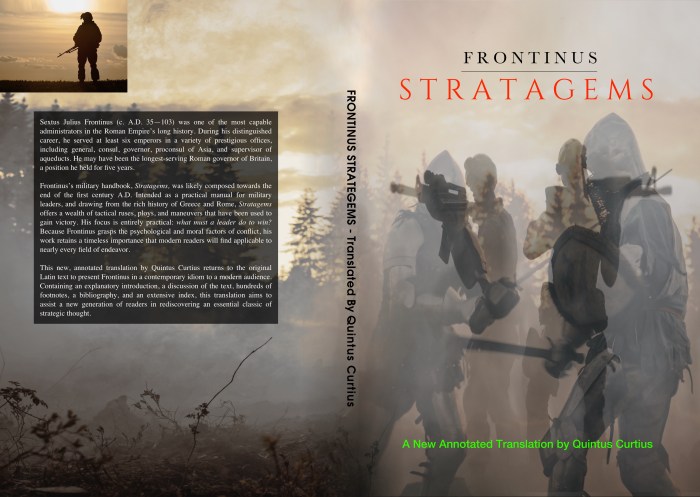
A Literary Review Of “Stratagems”

A literary review of the new translation of Stratagems appeared on the Classical Wisdom substack on October 6, 2025. The review is entitled Rome’s Lost Art of War.

In The Same Meadow (Podcast)

In this podcast we take a quote from Seneca, discuss its meaning, and apply it to some modern life lessons.

Continue reading

When The Sleeper Wakes

We are told that the word dystopia first entered the lexicon in 1868, when John Stuart Mill used it in a parliamentary speech.  The first dystopian novel is somewhat open to debate, but many consider H.G. Wells’s The Time Machine, first published in 1895, to be a strong candidate.

Continue reading

The Millennium Challenge Of 2002

In 2000, the U.S. Congress proposed a detailed joint-service war game that came to be called “Millenium Challenge 2002,” or, in military parlance, MC02.  The idea was a sound one.  Rapid technological and doctrinal changes in the preceding decades had generated uncertainty about the U.S. military’s ability to respond to a sudden crisis. 

Continue reading

A Miraculous Escape From Certain Death, And Retribution

This incredible story is found in the pages of The Book of Shipwrecks, Narratives of Maritime Discoveries, and the Most Popular Voyages, which was published in Boston in 1840.  I relate it as it is described therein.  Specific dates and names have been omitted, not by myself, but by the original author, who was a witness to the events.  This discretion seems to be consistent with the regular practice of the era. 

Continue reading

Few Are Those Who Follow The Man, But Many Are Those Who Follow His Fortune

Around 1440, the Italian humanist Poggio Bracciolini composed an interesting dialogue entitled On the Unhappiness of Leaders (De Infelicitate Principum).  It is styled on the classical model, in which notable figures debate the relative merits of different propositions. 

Continue reading