
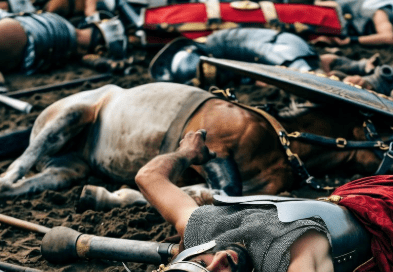
In this podcast I describe unforgettable images that have emerged from the aftermaths of certain battles. We discuss Livy’s description of the battlefield after Cannae, a scene in Dante, and an anecdote from the American Civil War.
Continue readingIn this podcast I describe unforgettable images that have emerged from the aftermaths of certain battles. We discuss Livy’s description of the battlefield after Cannae, a scene in Dante, and an anecdote from the American Civil War.
Continue reading
The defilement of a nation’s cultural heritage is among the most odious of crimes. But the offense is especially noxious, and finally unforgivable, when committed by national leaders for their own personal aggrandizement. The past is always vulnerable to the malicious exigencies of the present. An illustrative example is found in the pages of Roman history.
Continue reading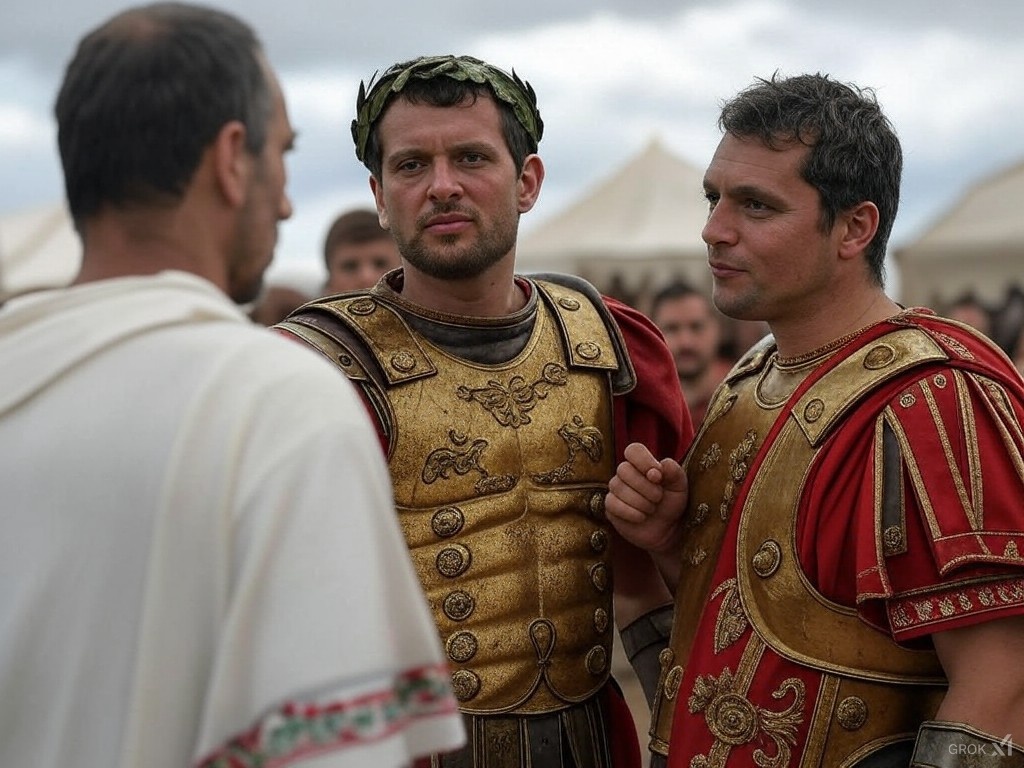
De poena prophetarum falsarum. If a leader cannot base his decisions on verifiable truth, or on the closest approximation of what he believes to be the truth, he will not escape calamity. He must surround himself with advisors who have his, and not their own, interests at heart; and he must seek independent confirmation of advice provided, especially during times of war or crisis.
Continue reading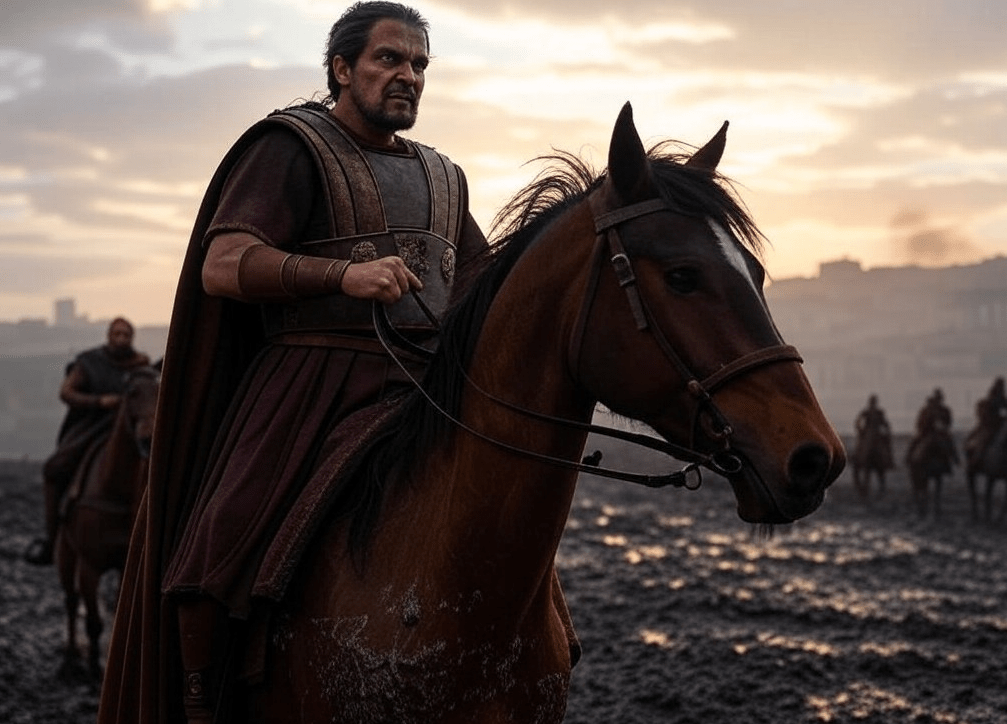
It can often be instructive, in the study of history, to play the intriguing game of “what if?” We are inclined to believe in the inevitability of historical events, simply because things turned out as they did; yet we tend to forget that different decisions might have produced very different outcomes. Thought experiments also help us to review those timeless principles of leadership and morals that may be applicable to our own lives. Let us, then, review Hannibal’s decision not to march on Rome in the immediate wake of his shattering victory at Cannae in August of 216 B.C.
Continue reading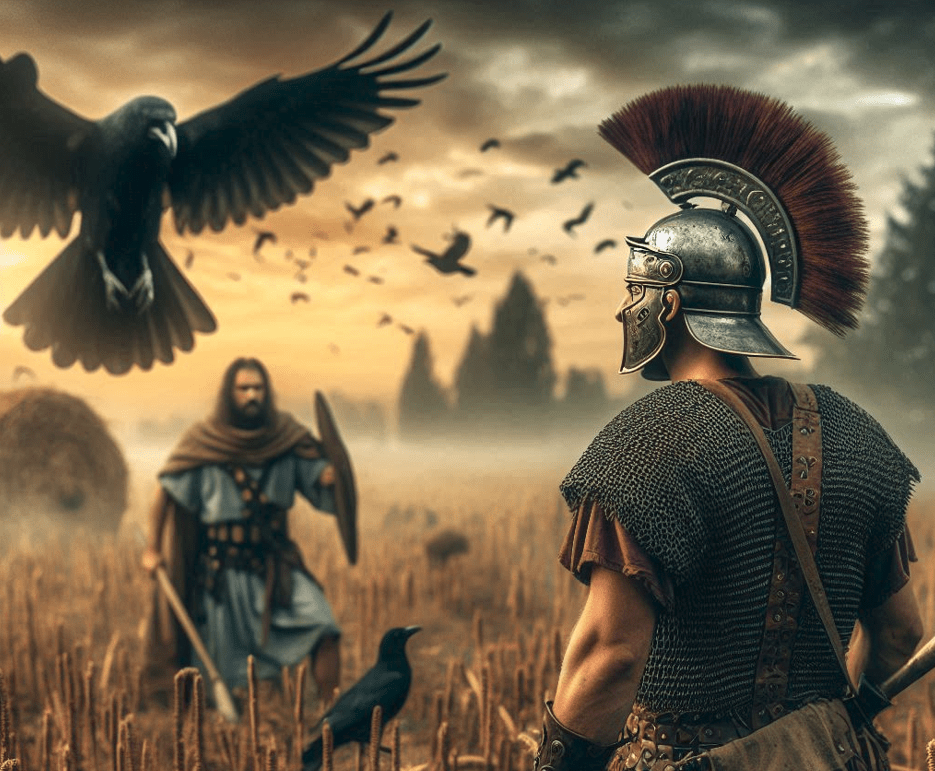
There is a story told in Livy (VII.26) of a raven’s fortuitous intervention on behalf of a Roman soldier engaged in personal combat with a Gaul. This event, if indeed it is not apocryphal, occurred in 348 B.C. during the consulship of Lucius Furius Camillus.
Continue reading
In very ancient times there was a dense, feared, and trackless forest that separated the territory of Rome from that of Etruria. It was called the Ciminian Forest (Silva Ciminia), and it was a region that the Romans avoided.
Continue reading
We find a stirring anecdote in the history of Valerius Maximus that does not appear in any other ancient source. There was once a centurion named Mevius who fought for Octavian (who would eventually become Caesar Augustus) during the civil war between him and Antony. Of Mevius we know very little; even his full name has eluded history.
Continue reading
The philosopher Philo of Alexandria, in the second book of his treatise On Dreams (II.18.123), relates a story about a despotic governor of Egypt. “It is only a very short time ago,” he says, “that I knew a man of very high rank, one who was prefect and governor of Egypt, who, after he had taken it in his head to change our national institutions and customs…was compelling us to obey him, and to do other things contrary to our established custom.”
Continue reading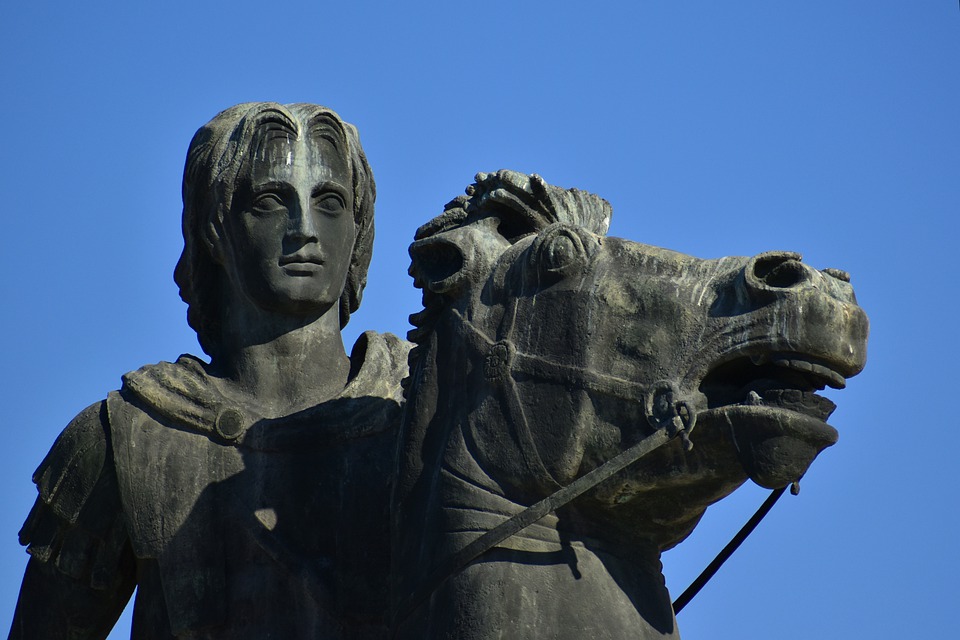
It is said that after Alexander the Great completed his conquests in Asia, he intended eventually to turn his gaze westward to the Mediterranean region, and bring those lands under his control. Death, of course, overtook him before he could begin this campaign. Either the lingering effects of his battlefield wounds, or his dissolute living habits, brought him to an early grave.
Continue reading
The Battle of Zama essentially concluded the Second Punic War, that terrible contest waged by Rome and Carthage for control of the western Mediterranean. It took place in 202 B.C. near the town of Zama in what is now Tunisia. The commanding generals were Hannibal on the Carthaginian side, and Publius Cornelius Scipio on the Roman. The historian Livy (XXX.30) relates a fascinating exchange between these two great commanders that took place on the eve of the battle.
 Quintus Curtius
You must be logged in to post a comment.