Always March On Rome

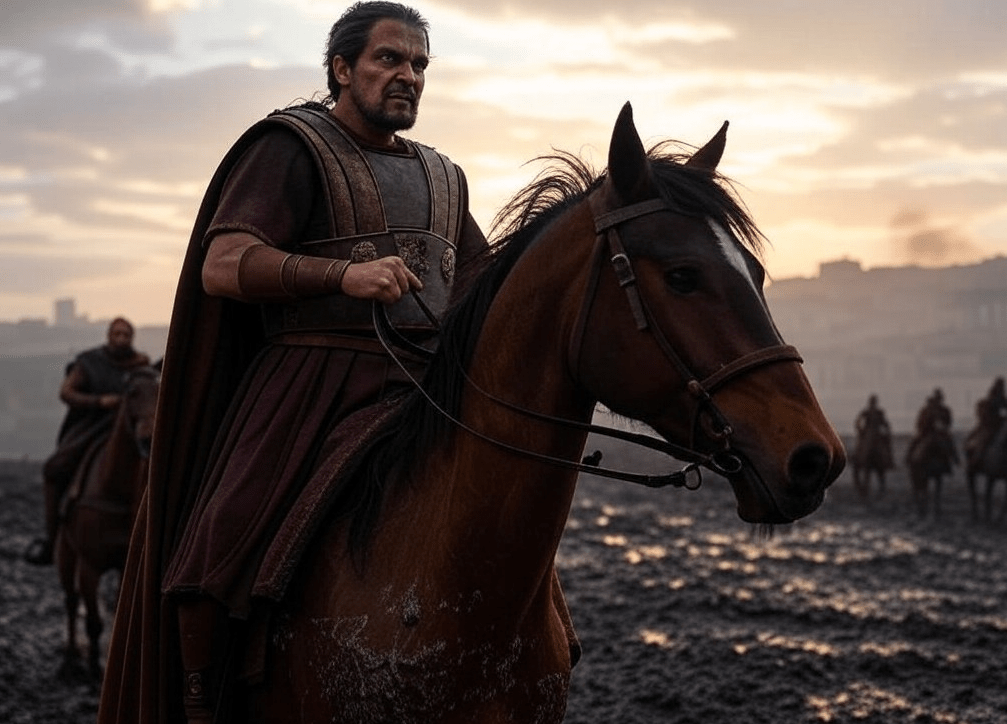
It can often be instructive, in the study of history, to play the intriguing game of “what if?”  We are inclined to believe in the inevitability of historical events, simply because things turned out as they did; yet we tend to forget that different decisions might have produced very different outcomes.  Thought experiments also help us to review those timeless principles of leadership and morals that may be applicable to our own lives.  Let us, then, review Hannibal’s decision not to march on Rome in the immediate wake of his shattering victory at Cannae in August of 216 B.C.

Continue reading

How Did Ancient Texts Become Lost?

The student of classical antiquity’s literary monuments may find himself perplexed by the relative paucity of its surviving examples.  How could it be, we may wonder, that such a large corpus of celebrated works slipped, nearly unnoticed in the passage of centuries, into oblivion?  Why is it that so many writings held in universally high regard exist today only in fragmentary or mutilated form?  How could these tragedies of indifference and neglect have been permitted?  By what processes are classics “lost”?  These are worthy and difficult questions.  They can be answered; but the answers are unsettling, and carry implications very modern in their relevance. 

Continue reading

Ancient Contacts Between The Roman Empire And China

The curious mind may be puzzled by the apparent paucity of commercial and cultural contacts between the Roman and Chinese empires.  That these two mighty states seem to have had such meager intercourse with each other, for so many centuries, is one of the oddities of antique history. 

Continue reading

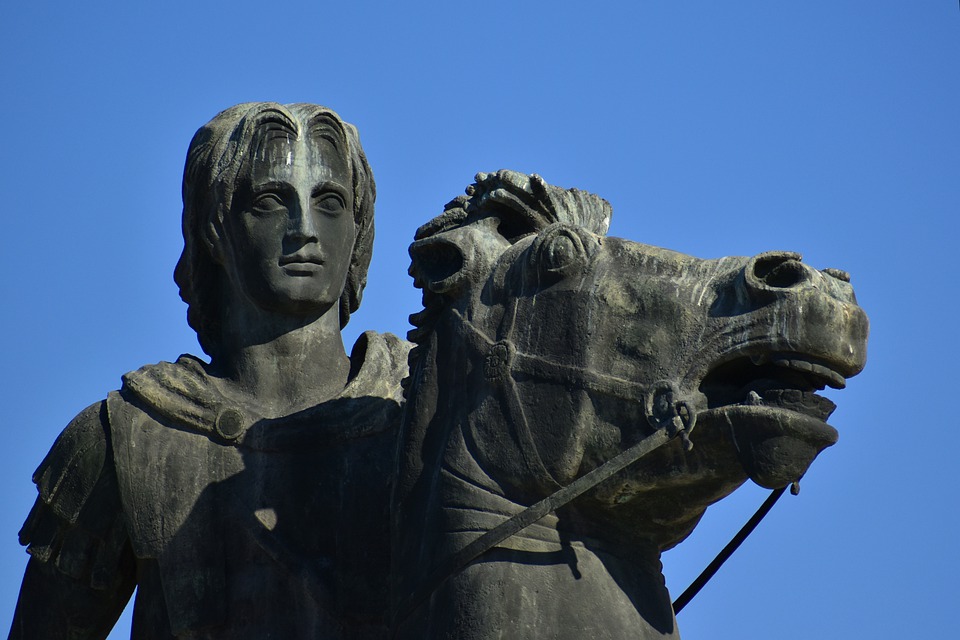
On Whether Alexander Could Have Conquered Rome

It is said that after Alexander the Great completed his conquests in Asia, he intended eventually to turn his gaze westward to the Mediterranean region, and bring those lands under his control.  Death, of course, overtook him before he could begin this campaign.  Either the lingering effects of his battlefield wounds, or his dissolute living habits, brought him to an early grave. 

Continue reading