In this podcast, we discuss Canto XVII of Dante’s Purgatorio. We examine the three types of wrath, and the legends Dante has used to illustrate this sin. We also briefly point out the sin of sloth, also known as “acedia” or “acedy,” and explain why it is a particularly insidious vice.
A mole is an agent or provocateur secretly embedded within an organization, and whose purpose is to serve the interests of an outside entity. Because moles can be immensely destructive to the interests of their hosts, it is essential that they be identified and neutralized. We will discuss here some very basic techniques that can be used–and have been used–to search for and identify moles.
Dante’s opening canto of the Purgatorio describes his and Virgil’s emergence from Hell. They find themselves in the southern hemisphere, confronted by Purgatory, which is presented as an immense mountain. Dante’s conception of Purgatory is different from his depiction of Hell, and we discuss one such difference.
We are all familiar with the fleeting and fickle nature of gratitude. When our services are found to be expedient, or agreeable, we are flattered and fêted; but when the immediate crisis has passed, and there is longer a looming emergency, we are forgotten as quickly as last Sunday’s supper. We are likely to forget that it has always been so. An interesting anecdote, found in Alexander Garden’s 1822 volume Anecdotes of the Revolutionary War in America, will serve to confirm this fact.
There are some fantastic low-budget movies out there. Some of them are so good that they approach the level of “comfort movies”: that is, films you enjoy returning to again and again, and that can improve your mood. This podcast is about some of my favorite B-movies. Some you may already have seen, but many you may have overlooked.
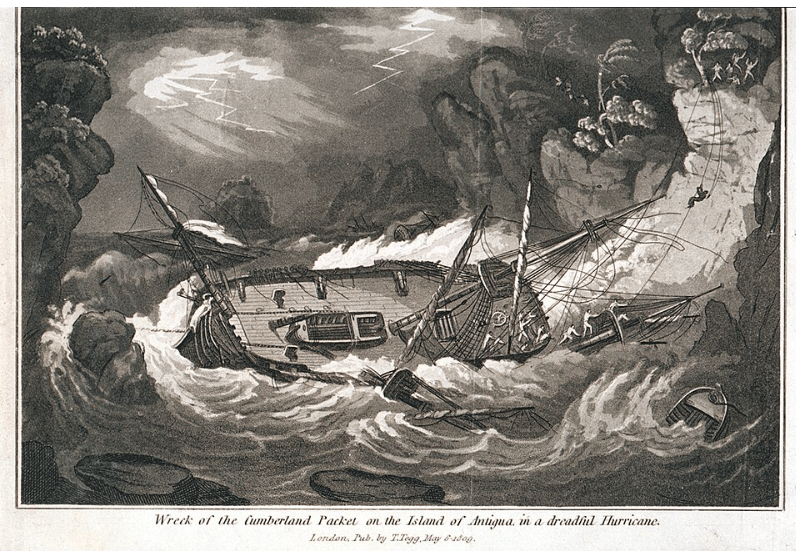
On September 4, 1804, the British packet Duke of Cumberland was wrecked in a ferocious hurricane that pounded the island of Antigua. Readers unfamiliar with nautical classifications may wish to know that the term packet refers to a ship carrying, on schedule, mail, passengers, and other cargoes. The story of the aftermath of the wreck is an inspiring one, as all hands were saved by the intrepid action of the first mate, Mr. Doncaster. His first name has not come down to us.
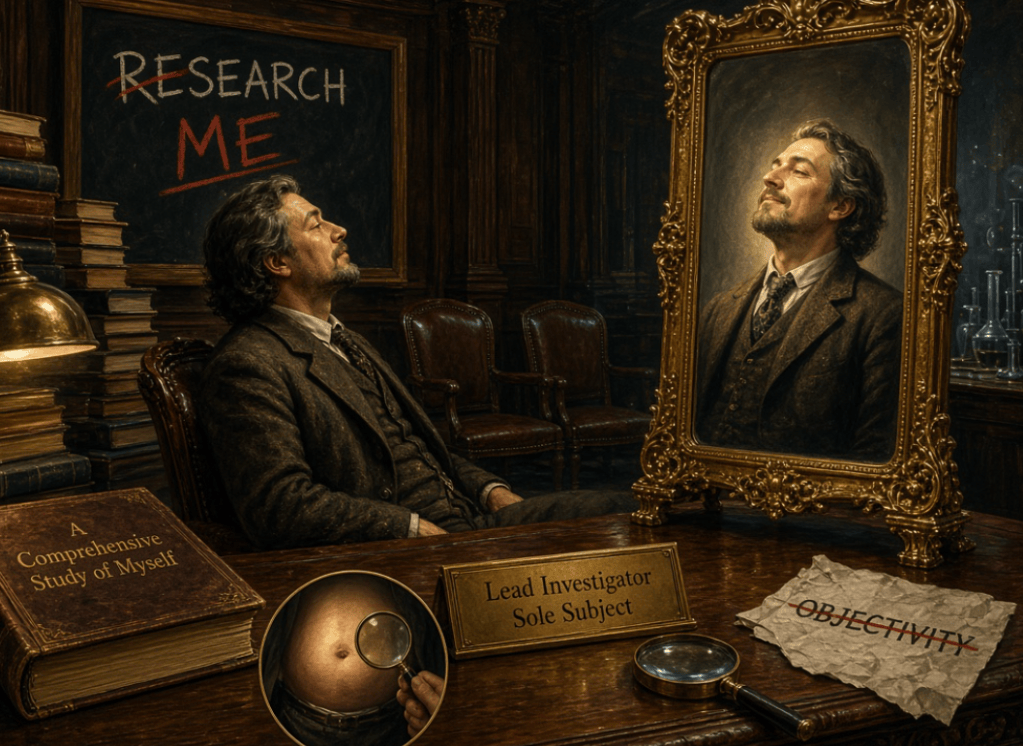
In a recent conversation with a friend who works as an instructor at a major university, I was amused to learn a new term about which I was previously unaware. It is the portmanteau word mesearch. A fusion of the words me and research, the term is used to describe a feature of modern scholarship that has sadly proliferated in recent decades.
In this podcast we explore two movies. The first is A Patch of Fog, a British psychological thriller from 2015, and the newly-released film The Dog Stars (2026), a post-apocalypse drama starring Josh Brolin. Both are satisfying movies, and invite useful contemplation. We discuss.
I just finished watching the 2021 documentary film Roadrunner: A Film About Anthony Bourdain. It chronicles the life and tragic end of the celebrity chef and traveler Anthony Bourdain. I see his tragedy as a cautionary tale. What was the source of his despair? And what lessons, if any, can be learned from his story?
Some time in the 1840s—the precise year is not certain—a British ship returning from the Mediterranean was obliged to delay its arrival in England for a few days, due to the persistence of stormy weather and thick fog in the Channel. One of the landsmen passengers found it difficult to sleep; and, to pass the time less fretfully, he took to conversing with an experienced old tar, a grizzled Cornishman, who proved to be a fascinating night-watch companion. He had mastered the lore and history of his native country. This mariner told our landsman many ancient tales of disasters, shipwrecks, escapes, and raw courage. One unsettling story, however, proved to be more memorable than all the others. And it is this one which we will now relate.









You must be logged in to post a comment.