Breakout From Britain

Gunther Plüschow, Germany’s legendary escape artist of the First World War, was born to a  well-traveled family in Munich on February 8, 1886.  He was taken by his family to Rome at an early age, and was fortunate to have grown up amid the Eternal City’s bustle, ruins, and excitement; it was there that he acquired his facility with languages and adroitness in maneuvering his way out of trouble. 

Continue reading

An Arabic Translation Of “Seven Pillars Of A Noble Youth”

Honorius, who manages a blog dealing with themes of history, virtue, and philosophy, has just published a beautiful Arabic translation of my essay, Seven Pillars of a Noble Youth. It is very much appreciated.

Continue reading

The Chesapeake-Leopard Affair And Its Tragic Aftermath

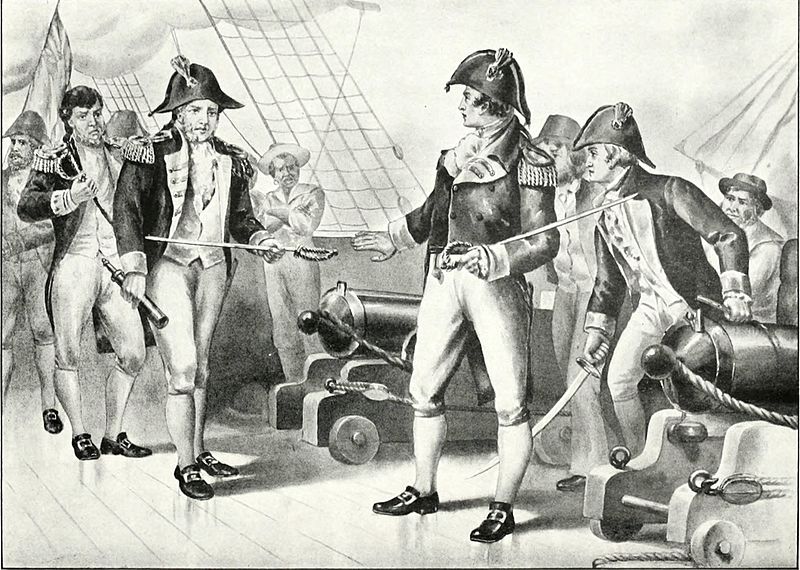
To understand the incident that has come to be called the Chesapeake—Leopard Affair, we must first understand the political and diplomatic circumstances that existed between the young United States and the European superpowers at the outset of the nineteenth century. 

Continue reading

The Terrifying Wreck Of The “São João”

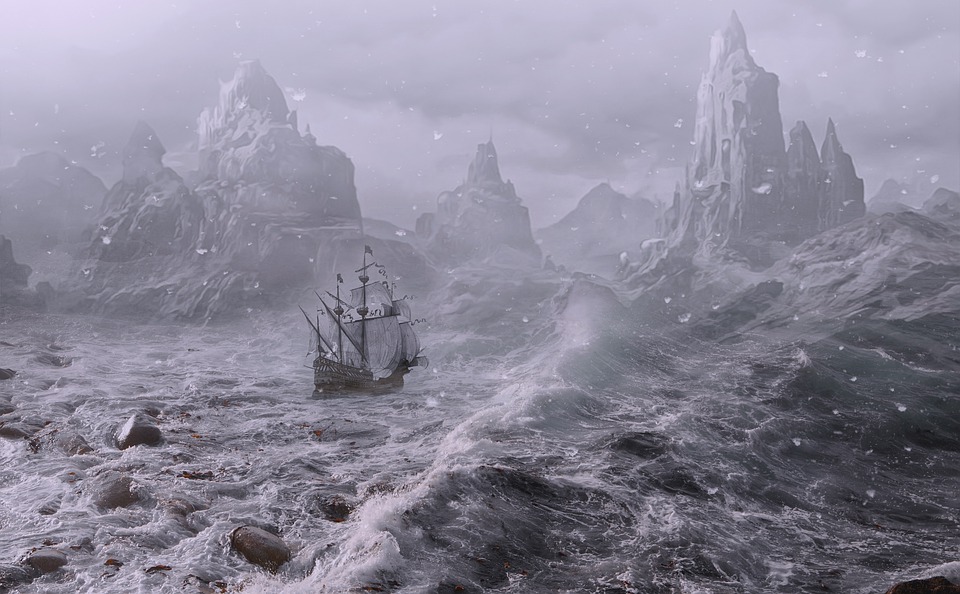
By the close of the fifteenth century, the maritime enterprise of Portugal had established a reliable network of trading routes from the Iberian peninsula to the Indian Ocean.  These routes were won at great cost; we note the results of the budding Age of Exploration, but forget the fearsome human toll that this Age exacted.  Shipwreck, loss at sea, loss of life on land, loss of property:  any one of these misfortunes—or a combination of them—could befall the intrepid explorer or trader at any time. 

Continue reading

Escape From Fort Warren

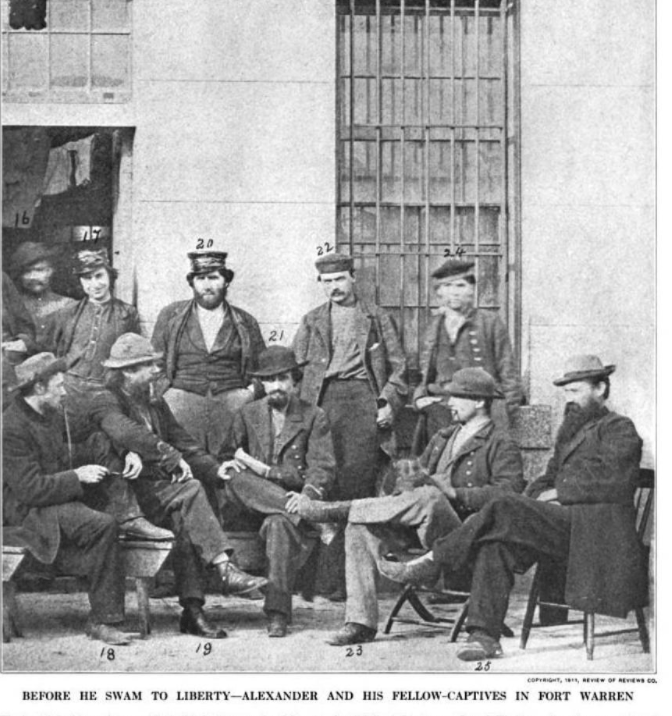
Fort Warren is a pentagonal fortress located on Georges Island in Boston Harbor.  Older reference works call the island “George’s Island,” while modern texts have removed the apostrophe; readers can decide for themselves which spelling is more authentic.  The island’s fortress was one of the most solidly constructed and intimidating military installations of nineteenth century America. It is, in fact, more of a dungeon than a fortress. 

Continue reading

Illusions Of Fitness, Delusions Of Preparedness (Podcast)

In this podcast we talk about the need for true, well-rounded fitness. Some think that getting bulked up in the gym makes them “fit” and ready to take on the world. While this may produce the appearance of fitness, it remains an illusion.

Continue reading

The Mysterious Disappearance Of Captain Blakely And The “Wasp”

The premise of John Carpenter’s 1980 horror film The Fog is an intriguing one.  In the 1800s, we are told, a Captain Blake and his crew were lured to their deaths by townspeople who had set up a false beacon near some coastal rocks.  The ship was dashed against the rocks at night; Blake and all hands were lost.  But many generations later, the spirits of the murdered captain and his crew would wreak a brutal vengeance from beyond their watery graves. 

Continue reading

The Incredible Survival Of Augustine Le Bourdais

The ability to survive is dependent on both a strong physical constitution and an unshakeable determination.  While both of these ingredients are necessary, experience has shown that the will to live easily surpasses physical robustness in relative importance.  He whose actions are in accordance with his nature, truly lives.  Sir Thomas Browne was entirely correct when he said in his essay Religio Medici:  

Continue reading

The Astor Place Riot Of 1849: The Consequences Of Incitement

One of the strangest and deadliest riots in New York history took place on May 10, 1849 outside an opera house in Manhattan.  Although its proximate cause—a jingoistic dispute between the egos of two actors—no longer commands our attention, the riot has many lessons to teach us today.  For it was a combustible mixture of media incitement, reckless demagoguery, and opportunism that lit the fuse for an explosion that would claim around thirty dead and one hundred twenty wounded.

Continue reading

Jumping Ship In The South Pacific

In January of 1841 the twenty-two-year-old Herman Melville shipped aboard the whaler Acushnet for a multi-year cruise.  He had many motivations for doing this.  There was, in the first place, a desire to see the world and test himself against its challenges; then there was a need to escape the stultifying confines and restrictions of a nineteenth-century “proper” American household; and finally, a longing to cleanse himself of his father’s failures, disgrace, and early death.

Continue reading