

In his Politics, Aristotle spends a good deal of time discussing the education and training of the youth. One memorable passage contains the following thoughts:
Continue readingIn his Politics, Aristotle spends a good deal of time discussing the education and training of the youth. One memorable passage contains the following thoughts:
Continue reading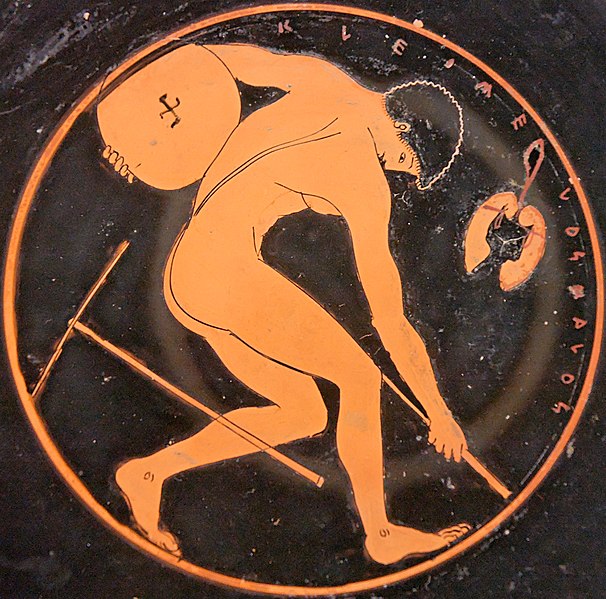
This morning my friend Dr. Michael Fontaine sent me an email that contained the following quote by the French Enlightenment thinker Bernard Le Bovier de Fontenelle. When Fontenelle, at the age of 85, met Rousseau in 1742, he counseled him, “You must courageously offer your brow to laurel wreaths, and your nose to blows.”
Continue reading
The French essayist and philosopher Jean de La Bruyère achieved a degree of notoriety for his work Characters (Les Caractères ou les Mœurs de ce siècle), which he published in 1688. He died young, at the age of 50 in 1696; perhaps his pen might have produced more marvels had fortune provided him more longevity.
Continue reading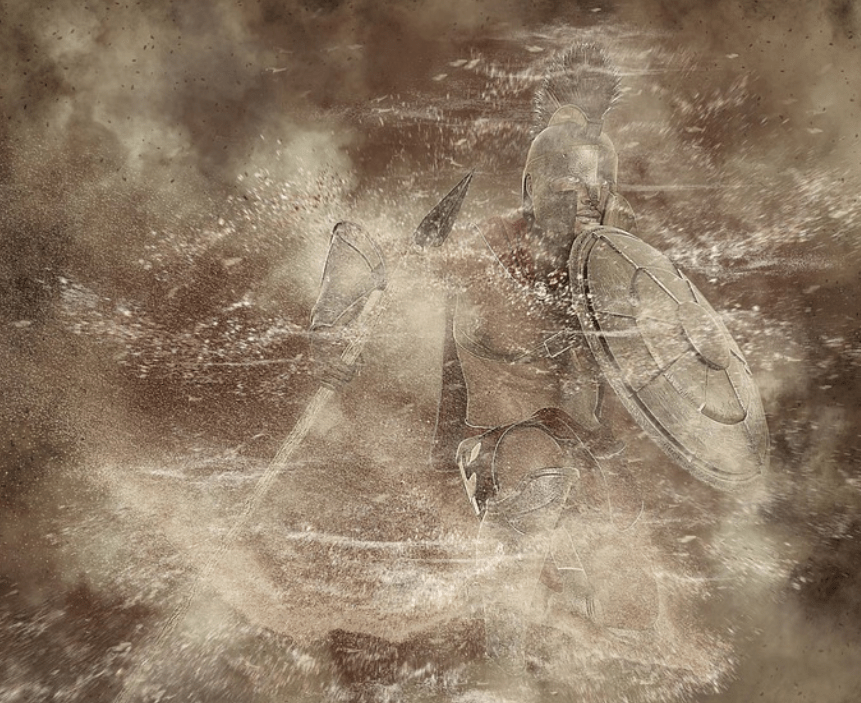
The Athenian statesman and general Phocion lived from about 402 to 318 B.C. He was famous for his frugal and unassuming personal habits; and he always put the interests of his country first, in stark opposition to his careerist, opportunistic contemporaries.
Continue reading
I was walking today through some side-streets of Falmouth, Massachusetts and saw a lawn sign that caught my attention. The sign said, “Drive As If Your Kids Live Here.” What an effective message, I thought to myself. The writer is making a direct appeal to the reader, asking him to put himself in the shoes of the people living in the neighborhood.
Continue reading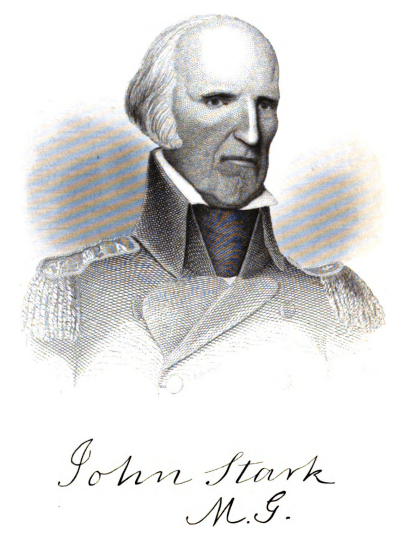
One of the most impressive names in the annals of American Revolutionary War leadership is that of General John Stark of New Hampshire. Few of his peers equaled him in fighting prowess, tenacity, and strength of character; and while his name may be unfamiliar today, this is only because he was an apolitical animal who scrupulously refused to seek the garlands of notoriety and fame.
Continue reading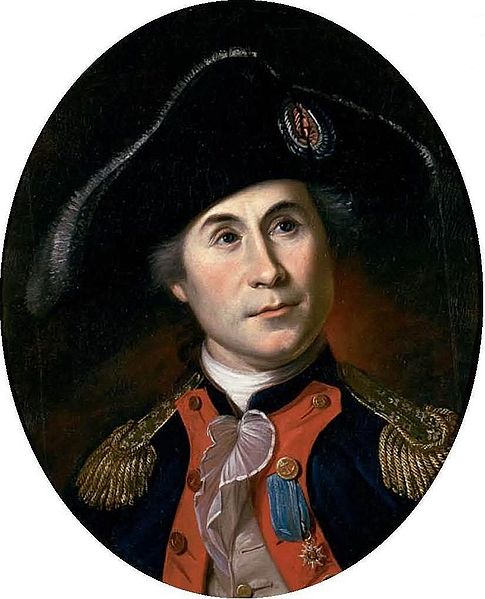
I have lately had the pleasure to read some of John Paul Jones’s correspondence during the American Revolution. It was a surprise to me how many notables he communicated with—not just with his political superiors, but with Benjamin Franklin, the King of France, Lafayette, and many others.
Continue reading
Wisdom is neither easily found, nor painlessly acquired. If we seek it out, it is likely to present itself to the prospector in a way that conceals its true utility. In the same way that precious metals and gems are distributed unevenly and clandestinely among geologic sediments, so is wisdom often submerged in quantities of intervening irrelevancies, or cloaked in a sheen of protective coloration. For wisdom—prudentia—knows that only the truly worthy will bring to bear pickaxe, shovel, and grindstone to extract, refine, and polish her secret ores for all the world to see.
Continue reading
On April 28, 2022, the news service NewsNation published a story about the commercial use of artificial intelligence to “recreate” the deceased on a virtual level, and permit people to have “conversations” with these electronic reanimations.
Continue reading
The Roman lawyer and government official Pliny the Younger wrote a fascinating letter to the historian Cornelius Tacitus that has fortunately been preserved for posterity (Letters I.20). The topic discussed is whether it is better to deliver a long speech, or a short one. Pliny says he has often debated this subject with a learned friend who believes conciseness in public speech is the best policy.
Continue reading

You must be logged in to post a comment.