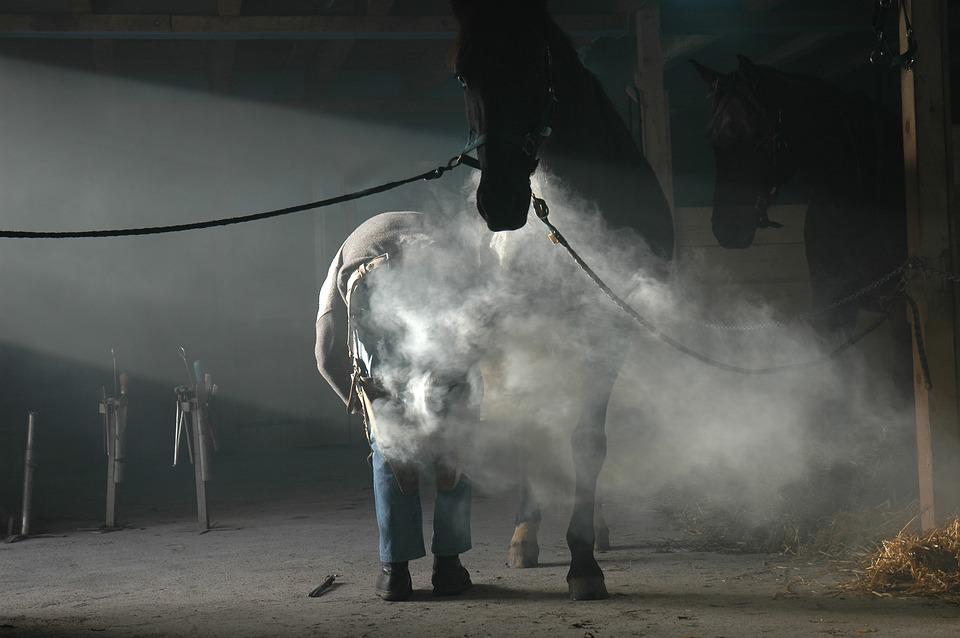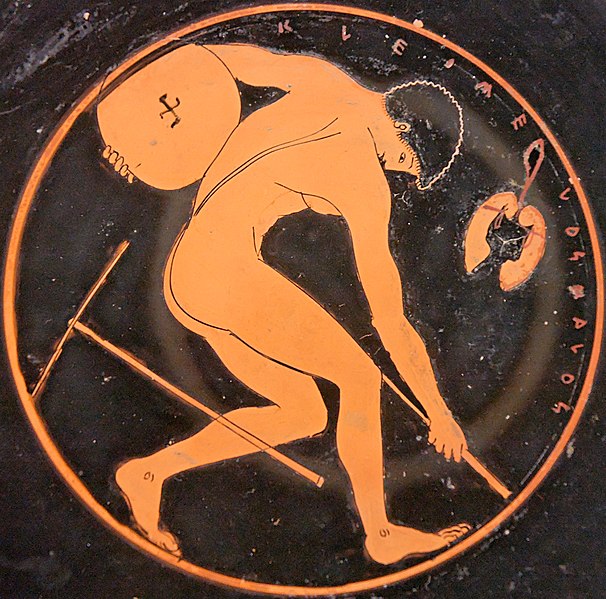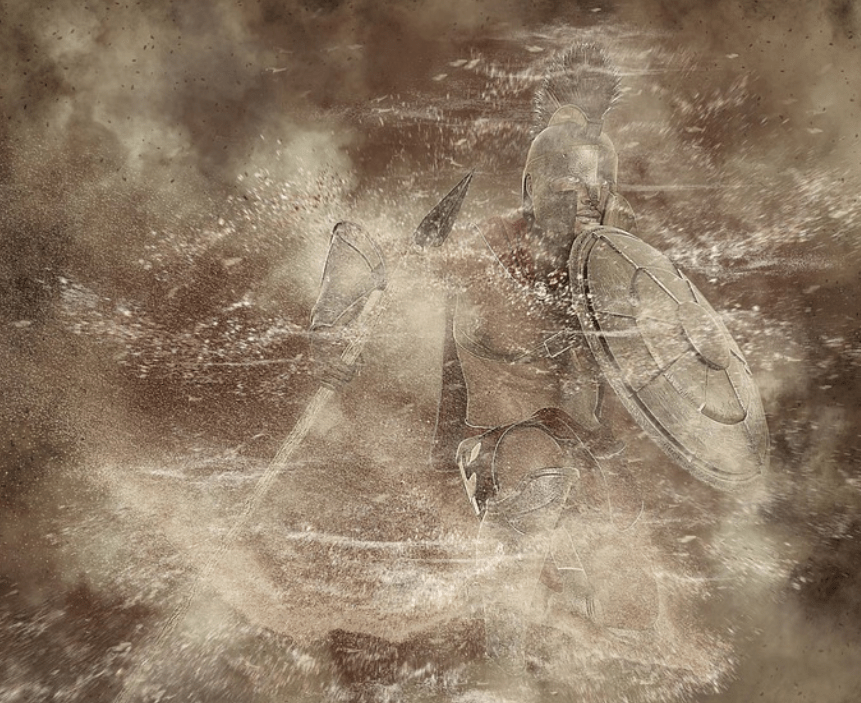

In his Politics, Aristotle spends a good deal of time discussing the education and training of the youth. One memorable passage contains the following thoughts:
Continue reading
In his Politics, Aristotle spends a good deal of time discussing the education and training of the youth. One memorable passage contains the following thoughts:
Continue reading
This morning my friend Dr. Michael Fontaine sent me an email that contained the following quote by the French Enlightenment thinker Bernard Le Bovier de Fontenelle. When Fontenelle, at the age of 85, met Rousseau in 1742, he counseled him, “You must courageously offer your brow to laurel wreaths, and your nose to blows.”
Continue reading
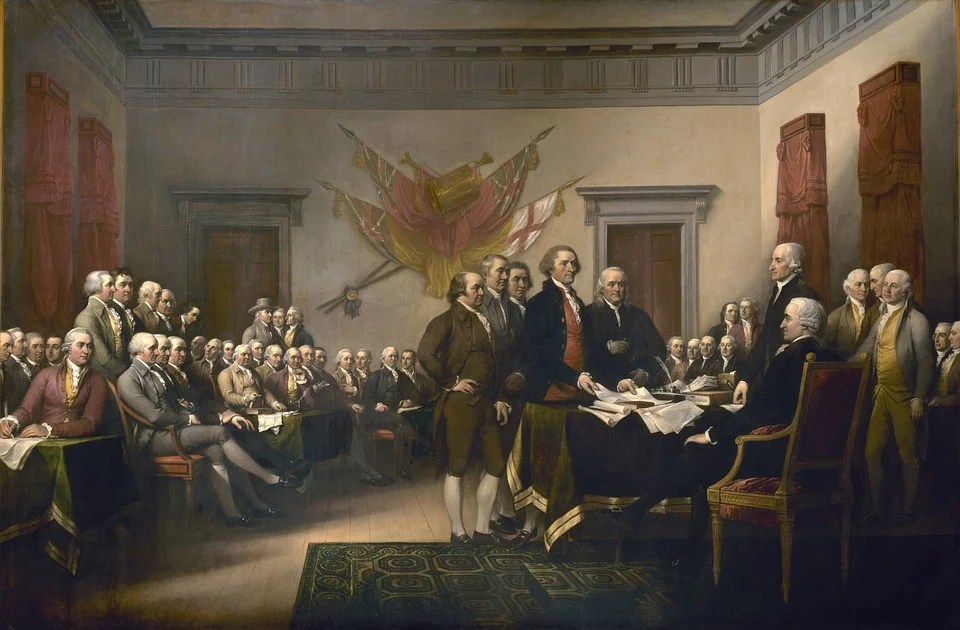
This podcast is a reading of the text of the Declaration of Independence, one of the keystone documents of the American Revolution.
Continue reading
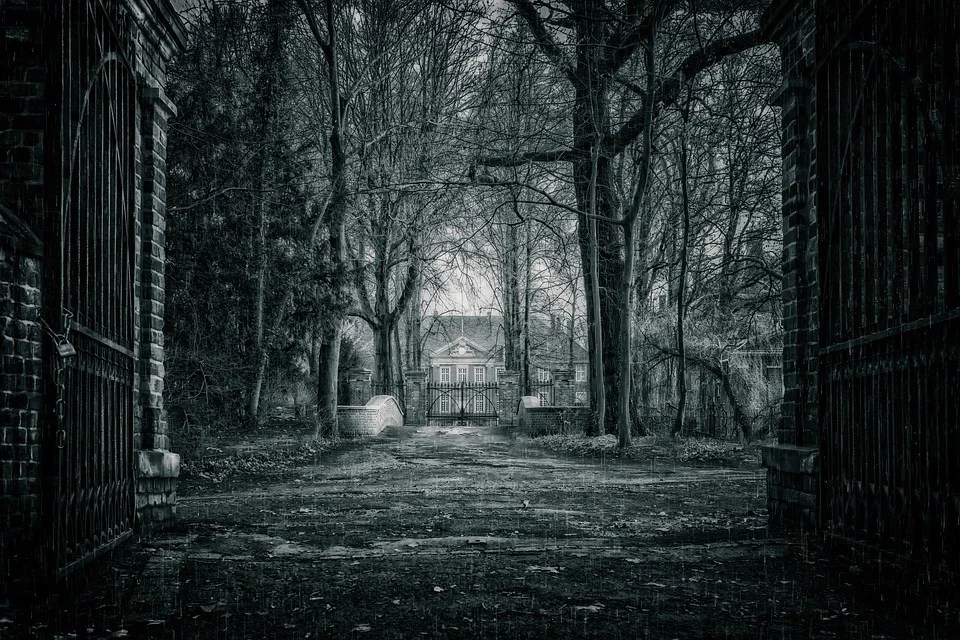
Why horror? What is it about this genre that exerts such a hold on our imagination? What psychological need is served by the human desire to be frightened or unnerved? Perhaps some residue of our prehistoric consciousness, in which our hominid ancestors were stalked by ancient predators on the African savannahs, demands to be recognized as an evolutionary survival sense; or perhaps the perception of fear awakens certain synapses in the brain, igniting the spark of creative impulses that demand some form of outward expression. I do not know.
Continue reading
The French essayist and philosopher Jean de La Bruyère achieved a degree of notoriety for his work Characters (Les Caractères ou les Mœurs de ce siècle), which he published in 1688. He died young, at the age of 50 in 1696; perhaps his pen might have produced more marvels had fortune provided him more longevity.
Continue reading
The Athenian statesman and general Phocion lived from about 402 to 318 B.C. He was famous for his frugal and unassuming personal habits; and he always put the interests of his country first, in stark opposition to his careerist, opportunistic contemporaries.
Continue reading
I was walking today through some side-streets of Falmouth, Massachusetts and saw a lawn sign that caught my attention. The sign said, “Drive As If Your Kids Live Here.” What an effective message, I thought to myself. The writer is making a direct appeal to the reader, asking him to put himself in the shoes of the people living in the neighborhood.
Continue reading
The following story is taken from John Koehler’s masterfully researched Stasi: The Untold Story of the East German Secret Police (1999). It is just one of countless tales of tragedy, suffering, and betrayal that took place in East Germany between the years 1945 and 1989. As the memory of communist oppression continues to recede in time, it becomes increasingly important to document, for the benefit of future generations, its fearsome scope and unrelenting cruelty.
Continue reading
General Jacob Bayley remains one of the most obscure figures of American Revolutionary War leadership. Yet in our present age of debilitated moral strength, feeble character, and flexuous purposes, the details of his life and deeds are both instructive and edifying.
Continue reading
One of the most impressive names in the annals of American Revolutionary War leadership is that of General John Stark of New Hampshire. Few of his peers equaled him in fighting prowess, tenacity, and strength of character; and while his name may be unfamiliar today, this is only because he was an apolitical animal who scrupulously refused to seek the garlands of notoriety and fame.
Continue reading
You must be logged in to post a comment.