Synesius’s Wise Advice On Kingship

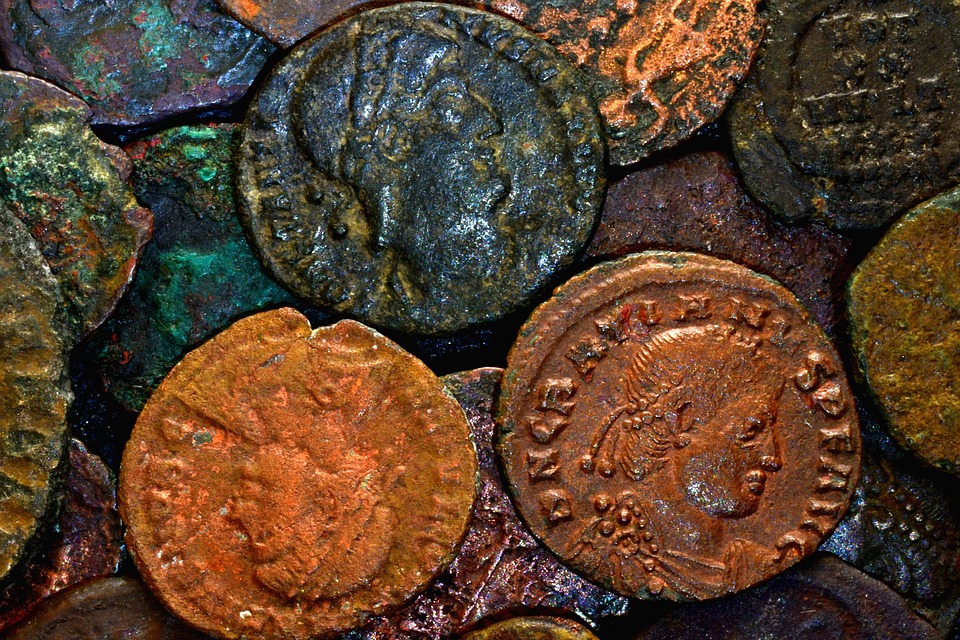
By 400 A.D. the Roman state was struggling with severe problems both internal and external.  In 395, the Goths, a foreign nation Rome had unwisely permitted to settle within the empire’s borders, initiated an armed revolt, and laid waste to the provinces south of the Danube.  “[They] boldly avowed the hostile designs,” says Gibbon, “which they had long cherished in their ferocious minds.” (Ch. XXX). 

Continue reading

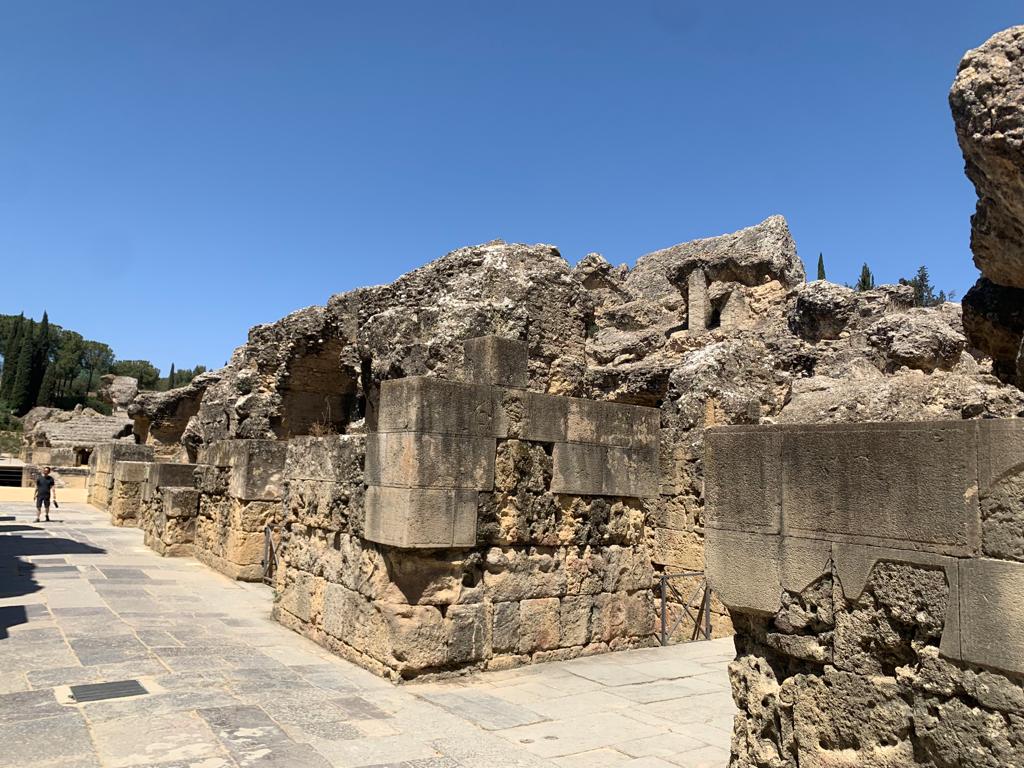
Italica

The Battle of Ilipa was fought in Spain in 206 B.C. between a Roman army commanded by P. Cornelius Scipio (Scipio Africanus) and Carthaginian forces under Hasdrubal Gisco and Mago, the brother of the renowned Hannibal. 

Continue reading

Vegetius Discusses The Importance Of The Martial Virtues

We know almost nothing of the life and career of the Roman military writer Vegetius.  Historical references in his books suggest that he flourished in the late fourth century A.D.  His work on Roman military affairs, De Re Militari (On Military Science) is a revealing window on the state of the empire’s military preparedness in its author’s era.

Continue reading

The Leadership Principles Of Iphicrates

History distinguishes the Athenian general Iphicrates for the superlative quality of his leadership, the extent of his martial innovations, and his understanding of the psychological dimension of war.  He lived from about 418 B.C. to 353 B.C.  We will discuss some of the leadership principles that may be distilled from the writings of two ancient historians, Cornelius Nepos and Polyaenus.

Continue reading

Better Exile Than Submission: The Passion Of Dante Alighieri

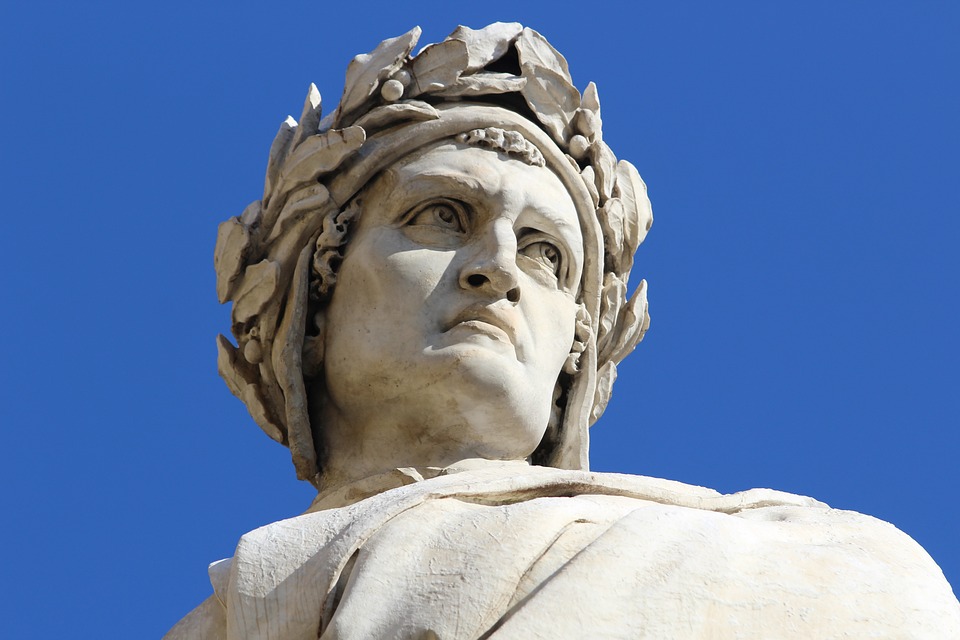
Dante Alighieri was born in 1265 to Bella and Alighiero Alighieri.  His mother died in Dante’s infancy, and his father passed away when the poet had barely reached fifteen.  It was not a wealthy family by any measure; although Dante’s Florentine lineage was distinguished, his family was unable to convert pedigree to lucre.

Continue reading

Alexander And Porus Speak On Fortune And Glory

Alexander the Great’s incursions into the Indian subcontinent brought him into conflict with local rulers unwilling to submit to Macedonian rule.  One of these rulers is known to history by the name Porus.  The sources are vague and contradictory, but he apparently controlled the Punjabi region bordered by the Jhelum and Chenab rivers. 

Continue reading

The Terrible Loss Of The “Rothsay Castle”

Today only historians of the sea have heard of the horrific loss of the steam packet Rothsay Castle in 1831.  Yet in its day, the tragedy aroused considerable public indignation and mourning in England; and it remains one of the most unsettling of the nineteenth century’s long list of maritime calamities.  We will retell the tale. 

Continue reading

Convenience Leads To Dependence, And Then To Ruin

It often happens that, in the affairs of states and princes, conveniences lead to dependency, and from dependency to ruin.  What may first appear to be advantageous, may in time prove to be only the first link of a chain forged for the purpose of bondage.  History abounds with examples of this slide into servitude, but we will relate two from the military history of the second century Greek author Polyaenus.

Continue reading

Two Immortal Speeches Delivered By The Emperor Julian

The Roman emperor Julian, wary of the encroaching borders of the Persians, undertook a military campaign against the Persian Empire in March of A.D. 363.  Despite some initial successes, the operation resulted in a defeat for Roman arms and Julian’s own death in battle.  Yet the field of conflict yielded more than just a litany of forgotten sieges and dusty marches.  The emperor had occasion to deliver two masterpieces of rhetoric, expressive of some of the noblest, and most memorable, sentiments ever uttered by a wearer of the imperial purple.  We will review both of them here. 

Continue reading

The Horses Of Sybaris

Sybaris was an ancient city of Magna Graecia in southern Italy.  Its ruins are located in the modern Italian province of Calabria.  The historians tell us that it was founded around the year 720 B.C., and that it persisted as a community until around 440 B.C. 

Continue reading