

In very ancient times there was a dense, feared, and trackless forest that separated the territory of Rome from that of Etruria. It was called the Ciminian Forest (Silva Ciminia), and it was a region that the Romans avoided.
Continue readingIn very ancient times there was a dense, feared, and trackless forest that separated the territory of Rome from that of Etruria. It was called the Ciminian Forest (Silva Ciminia), and it was a region that the Romans avoided.
Continue reading
Ya’qub Ibn Al-Laith Al-Saffar was the founder of the Saffarid Dynasty of Sistan. He lived from A.D. 840 to 879, and rose from humble origins in Afghanistan to conquer an immense area comprising parts of Iran, Afghanistan, Turkmenistan, Tajikistan, and Uzbekistan.
Continue reading
Those who have seen the movie Saving Private Ryan (1998) will recall a scene where the actor playing General George Marshall reads to his staff an eloquent and moving letter of condolence written by President Abraham Lincoln to a Mrs. Lydia A. Bixby during the Civil War. This justly famous epistle, now known as the Bixby Letter, is reproduced below. Who will protest at our quoting it in full here?
Continue reading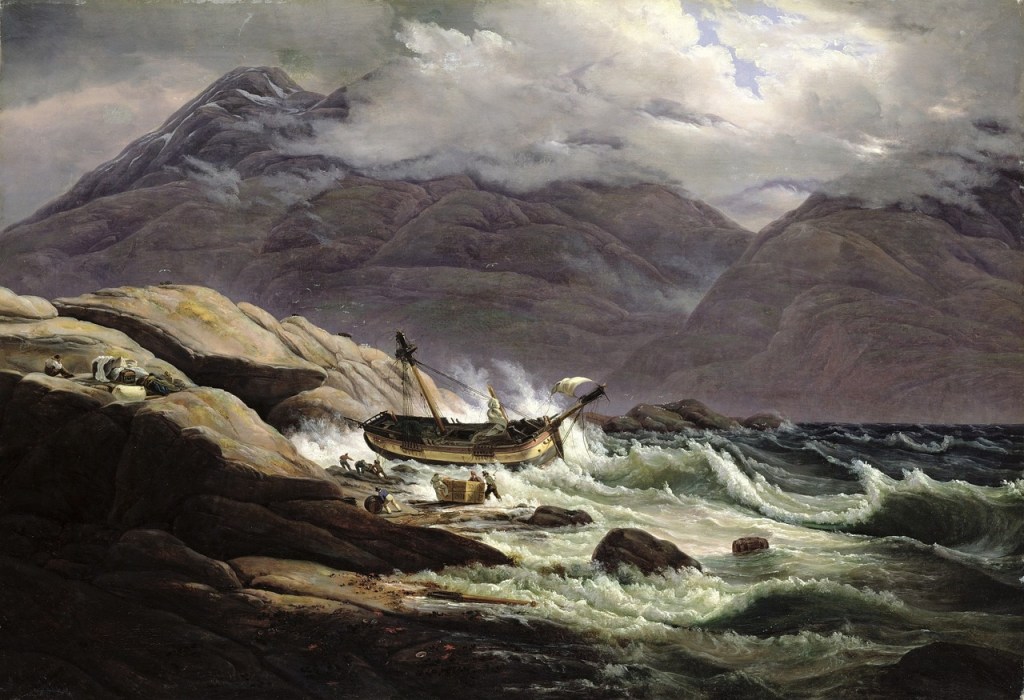
Tales of superlative leadership abound in naval history. Through the study of historical examples, we are instructed in the qualities and characteristics of proper command. In early 1871 the British Admiralty sent a detachment of soldiers and marines to Australia aboard the iron screw frigate Megaera. The ship carried 42 officers, 44 marines, 180 seamen, and 67 boys, for a total of 333. After stopping briefly at the Cape of Good Hope, the Megaera embarked on the long journey across the Indian Ocean to Sydney. It was anticipated that the vessel would reach its destination by July 5.
Continue reading
The curious mind may be puzzled by the apparent paucity of commercial and cultural contacts between the Roman and Chinese empires. That these two mighty states seem to have had such meager intercourse with each other, for so many centuries, is one of the oddities of antique history.
Continue reading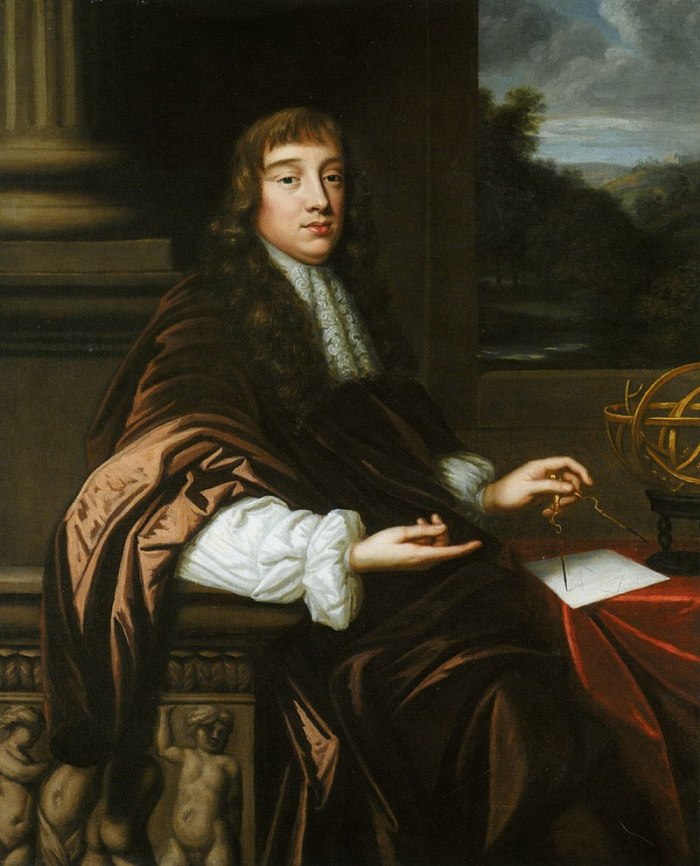
The Oxford English Dictionary defines the word elasticity in the following way: “Of material substances, whether solid, liquid, or gaseous: that spontaneously resumes (after a longer or shorter interval) its normal bulk or shape after having been contracted, dilated, or distorted by external force.”
Continue reading
Aratus of Sicyon was a Greek politician and military commander who lived from 271 to 213 B.C. He was forced to flee his native city of Sicyon at seven years of age when his father, a prominent politician, was murdered by a rival. Raised in Argos, he distinguished himself as an athlete and a leader; and his determination to liberate Sicyon led him to train intensively in the arts of war and command.
Continue reading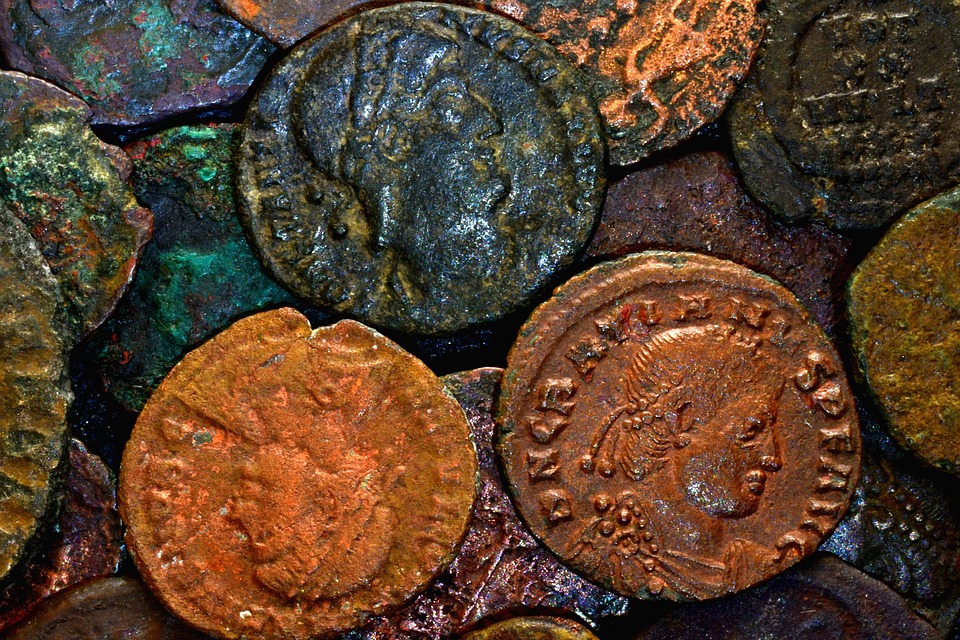
By 400 A.D. the Roman state was struggling with severe problems both internal and external. In 395, the Goths, a foreign nation Rome had unwisely permitted to settle within the empire’s borders, initiated an armed revolt, and laid waste to the provinces south of the Danube. “[They] boldly avowed the hostile designs,” says Gibbon, “which they had long cherished in their ferocious minds.” (Ch. XXX).
Continue reading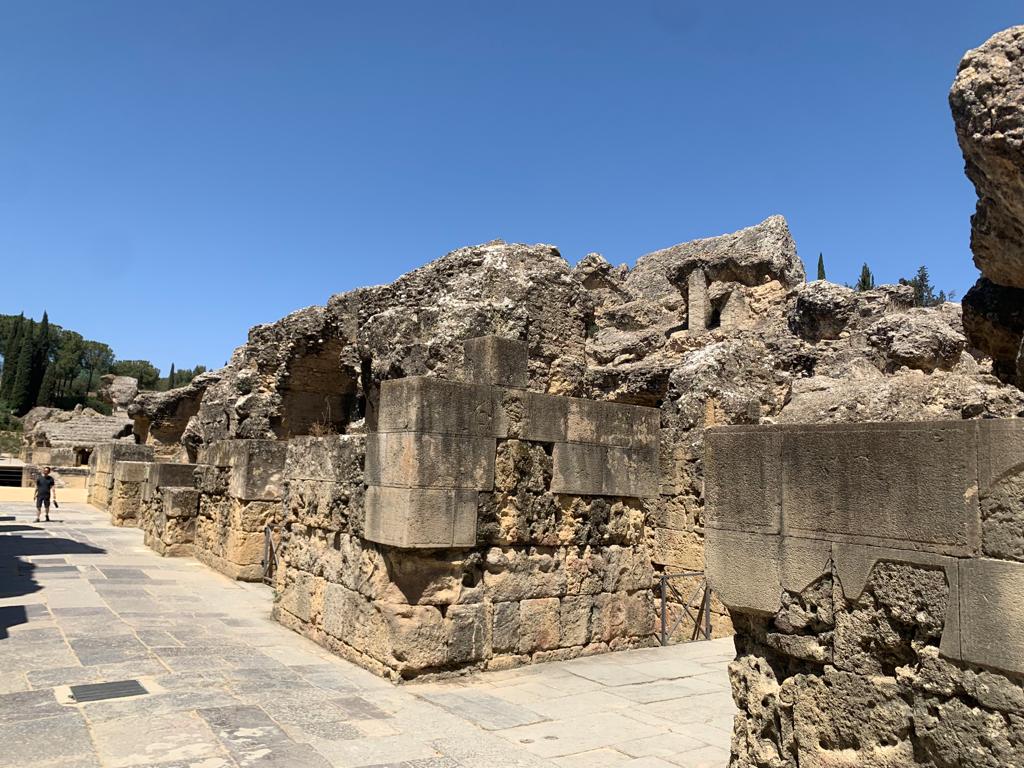
The Battle of Ilipa was fought in Spain in 206 B.C. between a Roman army commanded by P. Cornelius Scipio (Scipio Africanus) and Carthaginian forces under Hasdrubal Gisco and Mago, the brother of the renowned Hannibal.
Continue reading
We know almost nothing of the life and career of the Roman military writer Vegetius. Historical references in his books suggest that he flourished in the late fourth century A.D. His work on Roman military affairs, De Re Militari (On Military Science) is a revealing window on the state of the empire’s military preparedness in its author’s era.
Continue reading Quintus Curtius
You must be logged in to post a comment.