
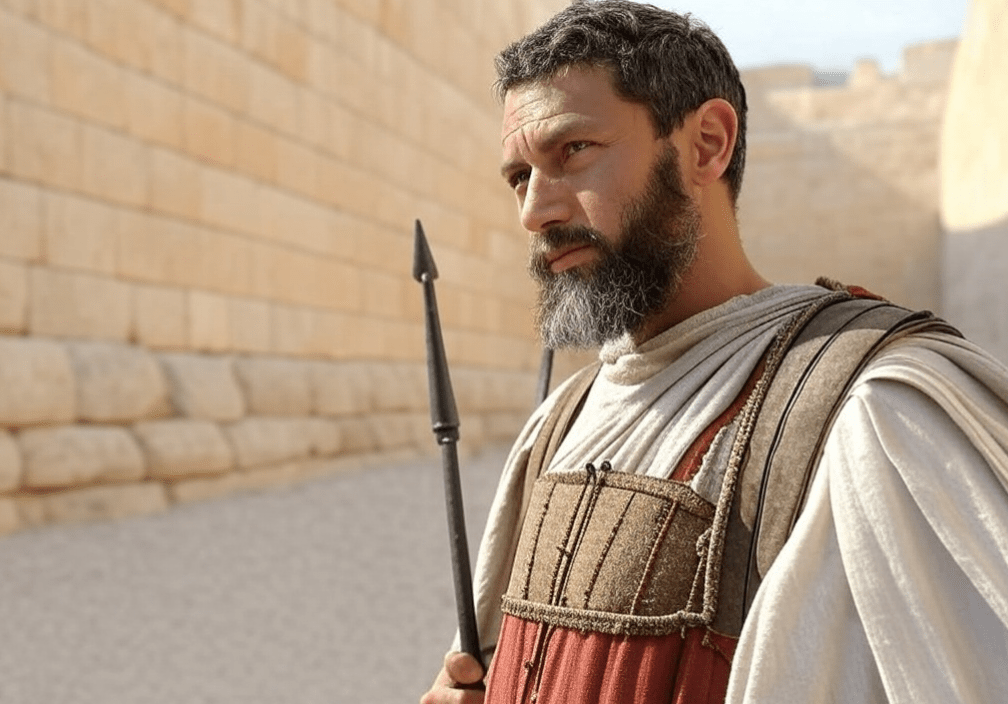
There is an anecdote told about the Athenian commander Iphicrates during the time his forces were defending the city of Corinth from 393 to 391 B.C.
Continue readingThere is an anecdote told about the Athenian commander Iphicrates during the time his forces were defending the city of Corinth from 393 to 391 B.C.
Continue reading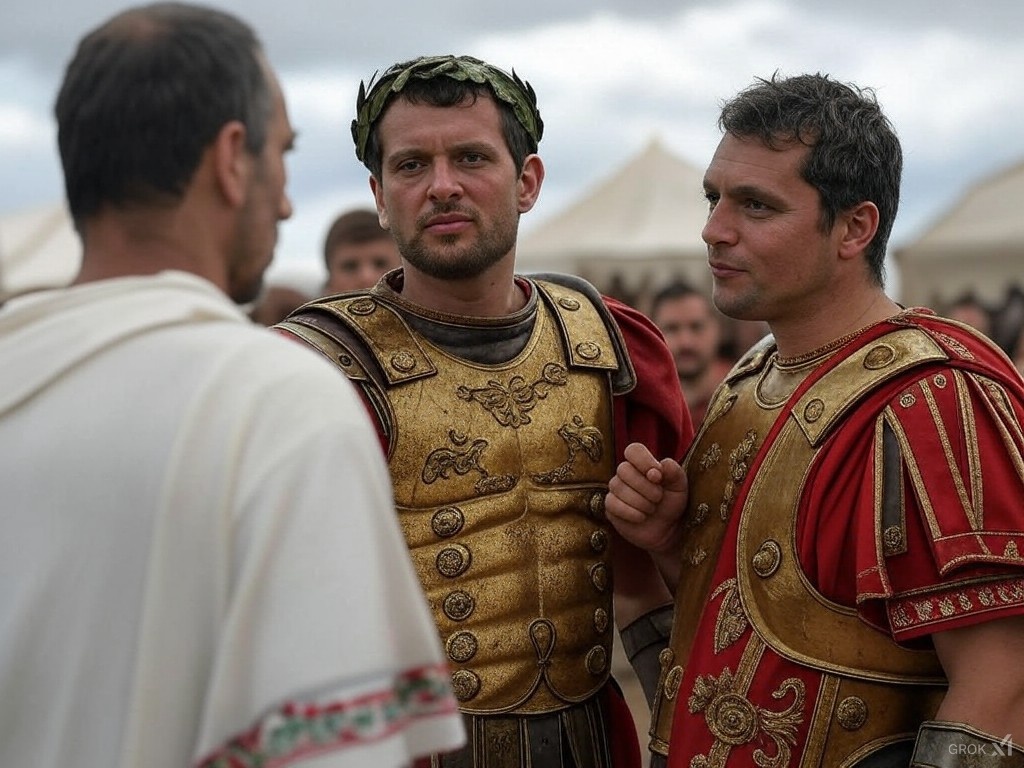
De poena prophetarum falsarum. If a leader cannot base his decisions on verifiable truth, or on the closest approximation of what he believes to be the truth, he will not escape calamity. He must surround himself with advisors who have his, and not their own, interests at heart; and he must seek independent confirmation of advice provided, especially during times of war or crisis.
Continue reading
As a leader or someone responsible for another person, you will often need to provide hope when your people are in dire situations. You must master techniques and strategies for alleviating people’s stress and anxiety, and for taking them across the finish line. Sincerity cannot be faked. You have to care, and to show you care. We discuss some of these techniques that I’ve learned from practicing law for twenty-five years.
Continue reading
There is an unintentionally amusing passage in a letter Petrarch sent to his brother Gherardo in 1349. In it, the harried scholar pours out his frustration at the antagonistic and insulting behavior of his servants:
Continue reading
It will be useful to compare the leadership styles of two wartime American presidents of the nineteenth century. James Madison was president during the War of 1812, while Abraham Lincoln occupied the office of chief executive during the American Civil War. The first of these must be counted a failure as a wartime commander-in-chief, while the second was able to prosecute his nation’s most terrible conflict to a successful conclusion. What qualities enabled one to emerge triumphant, and the other to suffer the indignity of failure, we will now examine.
Continue reading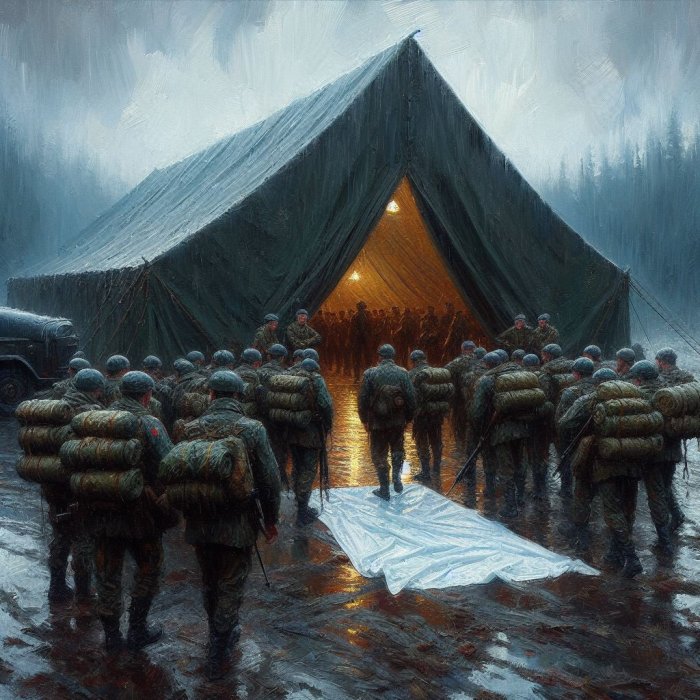
The Soviet defector and writer Victor Suvorov published a book in 1987 called Spetsnaz: The Inside Story of the Soviet Special Forces. Suvorov, whose real name is Vladimir Bogdanovich Rezun, was himself a Spetsnaz veteran and a Soviet intelligence officer. I enjoyed his book Inside the Soviet Army as well; and he has written other volumes which I have not yet had the opportunity to examine.
Continue reading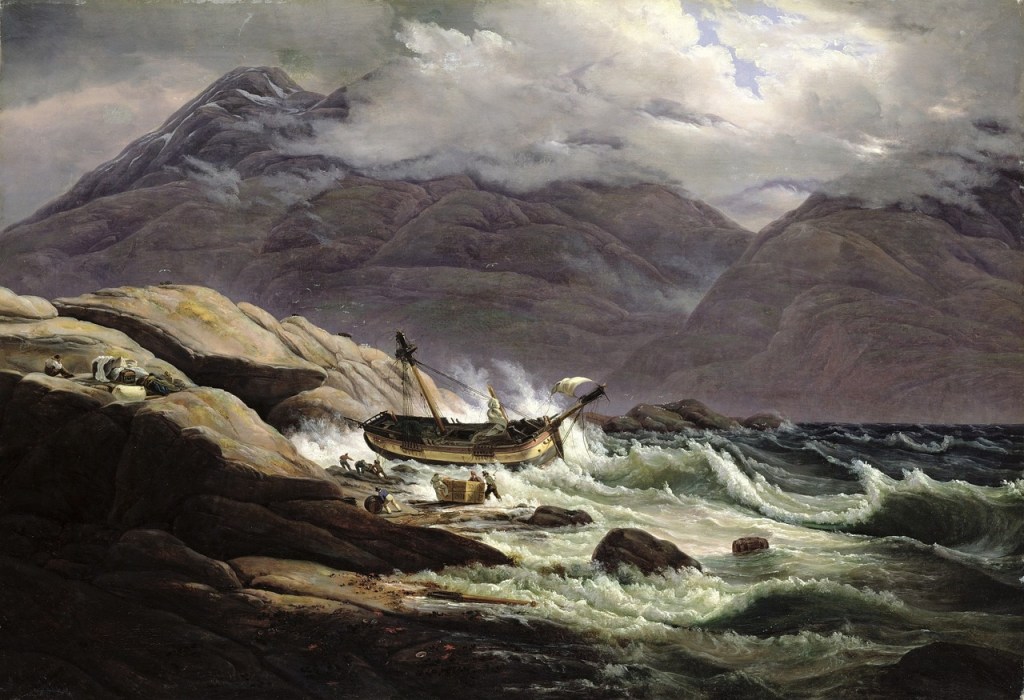
Tales of superlative leadership abound in naval history. Through the study of historical examples, we are instructed in the qualities and characteristics of proper command. In early 1871 the British Admiralty sent a detachment of soldiers and marines to Australia aboard the iron screw frigate Megaera. The ship carried 42 officers, 44 marines, 180 seamen, and 67 boys, for a total of 333. After stopping briefly at the Cape of Good Hope, the Megaera embarked on the long journey across the Indian Ocean to Sydney. It was anticipated that the vessel would reach its destination by July 5.
Continue reading
If you are in a job where you have to deal with clients or the general public, be alert to the small clues or “tells” that reveal a person’s state of mind and attitude. If a prospective client fails to show a willingness to comply with reasonable, basic rules, it almost always means the person is going to be a problem client. Do not ignore these subtle clues.
Continue reading
History distinguishes the Athenian general Iphicrates for the superlative quality of his leadership, the extent of his martial innovations, and his understanding of the psychological dimension of war. He lived from about 418 B.C. to 353 B.C. We will discuss some of the leadership principles that may be distilled from the writings of two ancient historians, Cornelius Nepos and Polyaenus.
Continue reading
Today only historians of the sea have heard of the horrific loss of the steam packet Rothsay Castle in 1831. Yet in its day, the tragedy aroused considerable public indignation and mourning in England; and it remains one of the most unsettling of the nineteenth century’s long list of maritime calamities. We will retell the tale.
Continue reading Quintus Curtius
You must be logged in to post a comment.